
Where to Nap Near Tokyo Station

Where to Nap Near Tokyo Station
Find private rooms, capsule hotels, internet cafés, day-use hotels, and paid rest options near Tokyo Station.
Tokyo Station is one of the busiest hubs in Tokyo, and while it is a convenient place to pass through, it is not a place to sleep in public. If you have just arrived on an overnight bus, you have hours before hotel check-in, or you are waiting between trains, you may be tired enough to want a real nap — and for that, a paid private or semi-private facility near the station is usually far better than a bench.
Common spaces inside the station, such as benches and waiting corners, are meant for short waits rather than sleeping, so lying down or napping there is discouraged and can disturb other travelers. For genuine rest, options near Tokyo Station may include internet cafés, capsule hotels, day-use hotels, and private booths, each offering a different balance of privacy, comfort, and cost. Availability, fees, check-in conditions, and the rules around sleeping all vary by facility and can change, so it is worth confirming details before you go.
This page is a practical guide to help you decide where to start, whether you want a low-cost private space for an hour, a capsule with a shower after a night bus, or a quiet room with a bed before an event. It is part of the Tokyo Station Rest Guide. If you are carrying a large suitcase, it is usually easier to store your luggage first, then rest with only what you need. Throughout, please treat hours, fees, and availability as things to confirm through official information before you rely on any single option.
Quick answer
Where should you start?
- If you only need to sit briefly, use station cafés or common seating — for waiting, not sleeping.
- If you want a real nap, consider an internet café, a capsule hotel, or a day-use hotel.
- If you want privacy and a bed, consider a day-use hotel.
- If you want a lower-cost private or semi-private space, consider an internet café / net café or a capsule hotel.
- If you arrived by night bus, check Yaesu-side and late-night / early-morning options.
- If you have luggage, store it first whenever possible.
- Whatever you choose, confirm current availability, fees, rules, and check-in conditions before you arrive.
Compare options
Compare your rest options
A quick overview of the main choices near Tokyo Station. Wording is general on purpose, because availability and rules vary by facility and can change.
Scroll horizontally to compare →
| Option | Best for | Pros | Check before using |
|---|---|---|---|
| Internet cafés / net cafés | A lower-cost private space, short rest, and charging | Private booths or reclining seats, sometimes a shower; some may have longer hours | Seat types, ID or membership, fees, hours |
| Capsule hotels | A shower plus real sleep, late night or early morning | Sleeping capsules and shower areas; possible day-use plans; lower cost than a room | Gender rules, check-in times, luggage rules, shower access |
| Day-use hotels | A private room, bed, shower, and quiet time | A private room and bed within the booked time slot | Day-use availability, time slots, booking method, fees |
| Private work booths or short-stay private spaces | Quiet work, calls, or sitting privately | Power, desk, and Wi-Fi where offered; bookable by time | Whether sleeping is allowed, booking, time-based fees |
| Lounges or paid waiting spaces | Short rest and waiting, sometimes a shower | Comfortable seating, with a powder area or luggage support depending on the facility | Services offered, membership or reservation, fees, hours |
| Public seating and station common areas | Short waiting only — not sleeping | Convenient for a brief pause between steps in your day | Not for lying down or napping; do not occupy seats for long periods |
| Nap after storing luggage | Anyone carrying a large suitcase | Easier, more relaxing rest with your hands free | Store luggage first; confirm what you can bring into the facility |
| Late-night / early-morning rest options | Night bus, early Shinkansen, late flights | Internet cafés or capsule hotels may be more suitable at these hours, depending on current opening hours and rules | Hours, last entry, reservation, and transport; do not assume cafés are open |
If this, then start here
Choose by your situation
Find the line that matches your day for a sensible starting point.
Scroll horizontally if needed →
| Situation | Recommended starting point |
|---|---|
| I arrived by night bus | Internet cafés, capsule hotels, lounges, or other paid rest options. See late night and early morning. |
| I arrived before hotel check-in | Store luggage first, then use a café, a shower, or a nap option. See before hotel check-in. |
| I checked out but my train is later | Ask your hotel, use luggage storage, then consider a nap or a day-use hotel. See after hotel check-out. |
| I need a real bed | A day-use hotel or a capsule hotel. |
| I need a lower-cost private space | An internet café / net café or a private booth. |
| I only need to sit for 30–60 minutes | A station café or common seating, without sleeping. |
| I also need a shower | Choose a facility that may offer both a shower and rest. See showers. |
| I have large luggage | Store your luggage first before using a nap facility. See luggage storage. |
| I am traveling late at night or early morning | Check hours, last entry, reservation, and transport. See late night and early morning. |
A closer look
A closer look at each option
Practical notes on each place to rest, from low-cost private spaces to a proper bed. Local photos will be added over time; for now, treat availability, hours, fees, and rules as things that change, and confirm official information before you go.
Internet cafés / net cafés
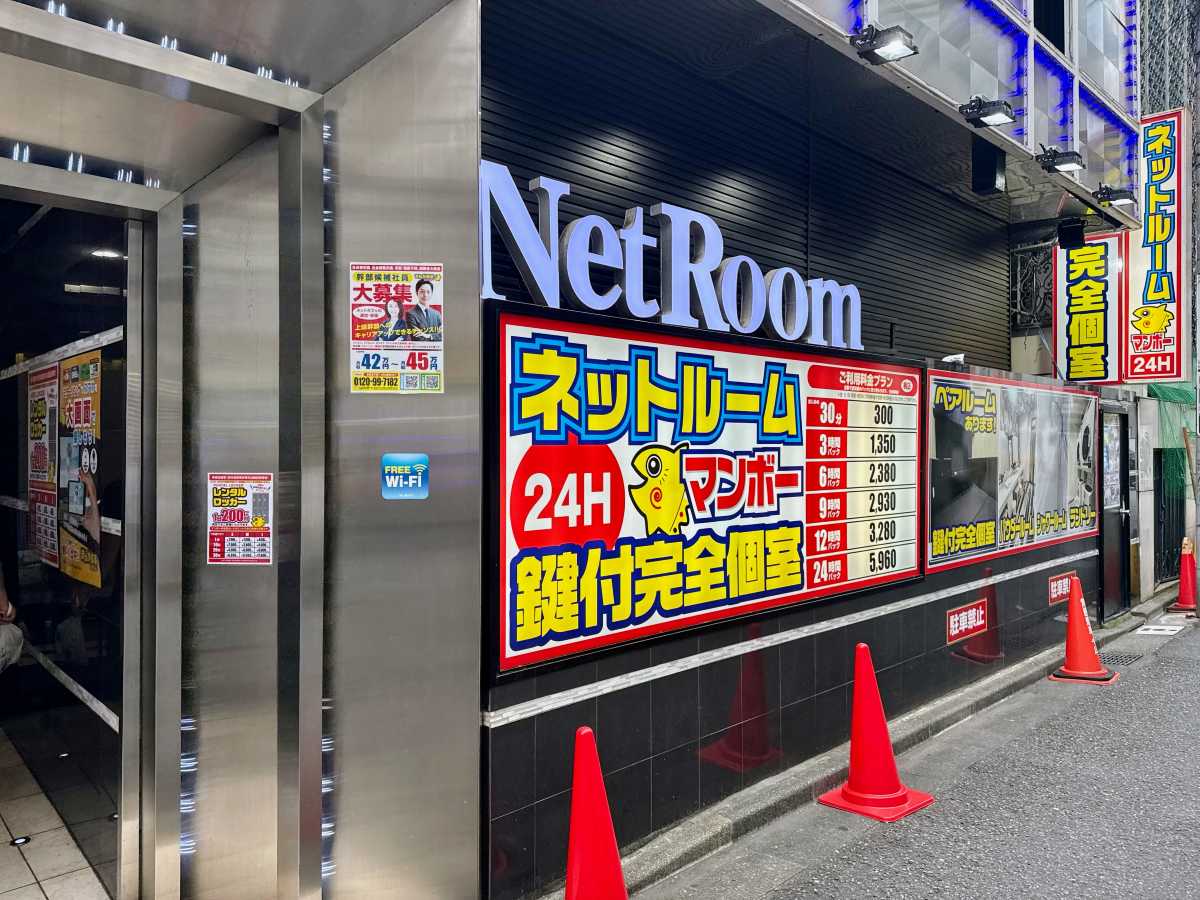
Internet cafés (often called net cafés in Japan) can be one of the more flexible options when you want a short rest, some privacy, and a place to charge your devices, sometimes with a shower as well. Depending on the branch, you may find reclining seats, flat or mat seats, or small private rooms, so the level of comfort for napping varies and not every location is equally suited to lying down. Some net cafés may have longer hours than ordinary cafés, though this varies by branch, so they can sometimes suit very early or very late arrivals — but confirm a specific branch’s hours rather than assuming it will be open when you arrive. A first visit usually involves registration with ID or a simple membership, and you pay by time, often with package rates for longer stays. This makes a net café a reasonable middle ground: more private than a café seat and lower in cost than a hotel room, though with less comfort and quiet than a proper bed. If a nap is your main goal, check whether a branch offers flat or reclining seats or private rooms before you commit. Before you go, confirm the branch’s current seat types, hours, fees, and entry rules through its official information, and keep a backup in mind in case it is full.
Capsule hotels
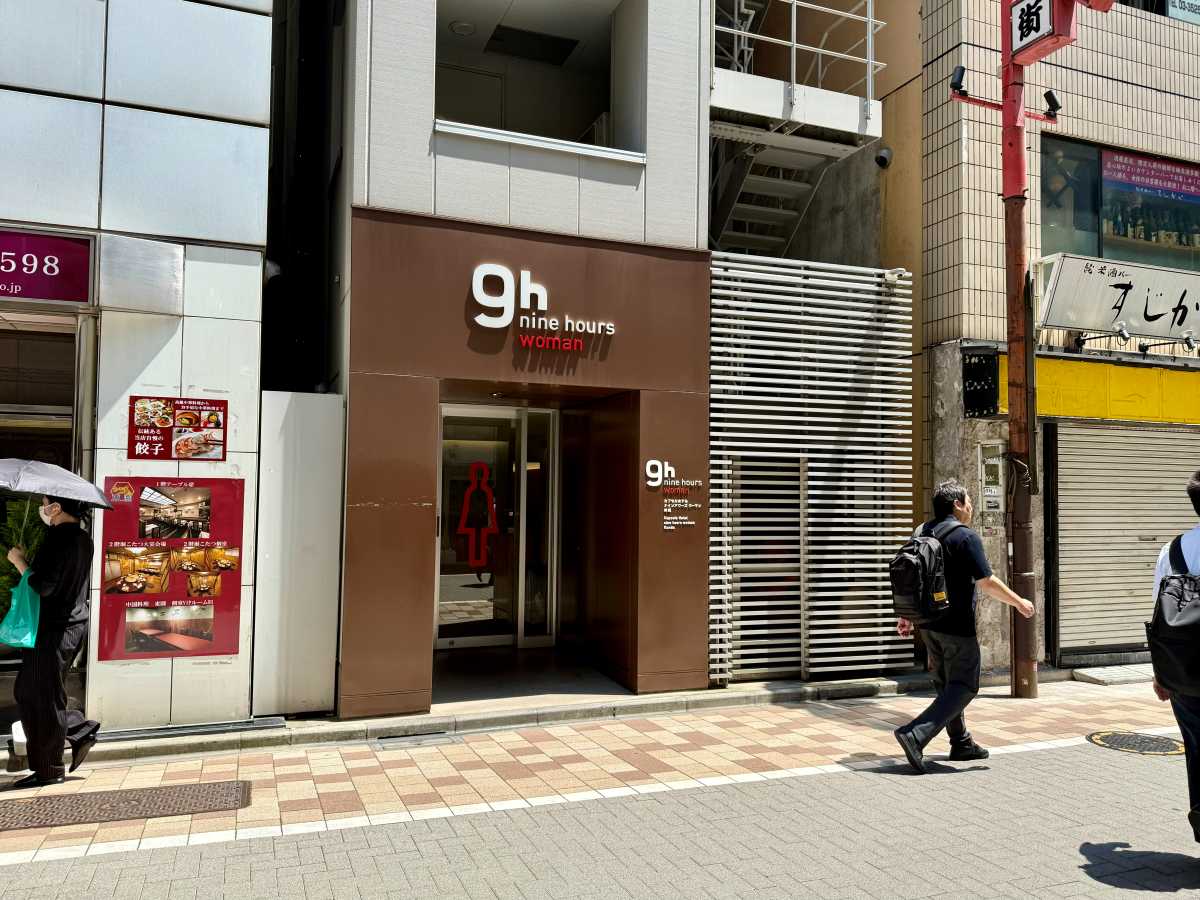
A capsule hotel can be a good choice when you want to combine a shower with real sleep, particularly late at night, early in the morning, or when you have a longer block of time to rest. Many offer shared shower and bathing areas alongside the sleeping capsules, and some have day-use or short-stay plans in addition to overnight stays, which can suit travelers between trains or arriving on an overnight bus. Rules vary and are worth checking in advance: many capsule hotels are men-only or women-only, or separate guests by gender on different floors, and check-in times, luggage handling, and access to showers can differ from place to place. Larger suitcases often need to go in a designated storage area rather than into the capsule, so plan for that if you are carrying a lot. A capsule generally gives you more genuine rest than a lounge or a café seat, often at a lower cost than booking a full private hotel room, depending on the facility and date, with the trade-off of less privacy and shared facilities. Before you go, confirm current availability, any day-use or short-stay options, gender rules, luggage rules, and shower access through the facility’s official information, and book ahead during busy periods.
Day-use hotels
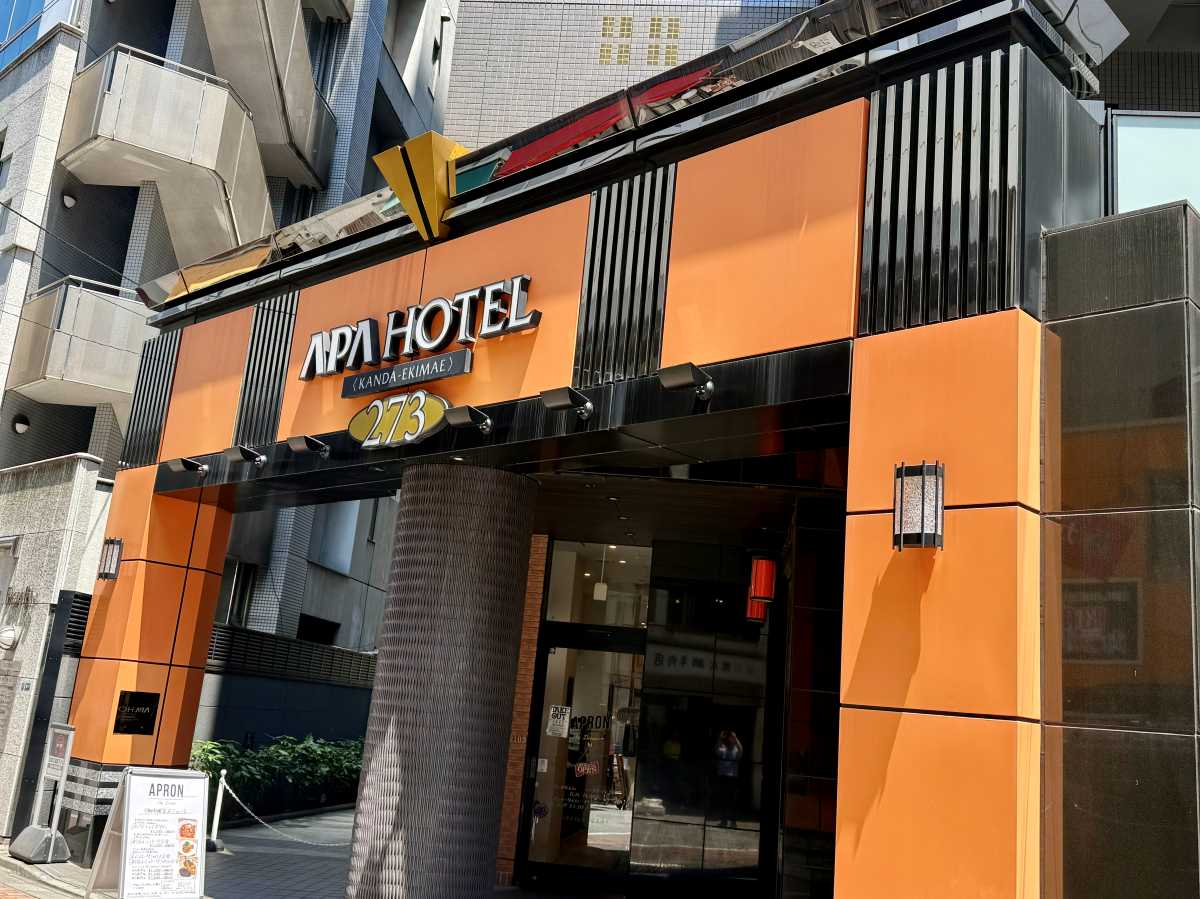
A day-use hotel plan can be one of the most private and comfortable options when you want a room with a bed, a shower, space for your luggage, and quiet time to yourself, all in one place. It suits longer rests of several hours, whether before hotel check-in, after check-out, or before a long train or flight, and it can be a calm place to recover after an overnight journey. Compared with an internet café, a room usually costs more, but it is more private and comfortable, with a real bed rather than a reclining seat. Availability depends on the hotel: day-use plans, the time slots they cover, and how you book all vary, and rooms can be limited during busy periods, so reserving ahead is often wise. Some hotels offer these plans only at certain times of day, so check whether the slot you need is available before you travel. Within the slot you book, you can rest, shower, and get ready without sharing space with others. Before you go, confirm the hotel’s current day-use availability, time slots, fees, and what the room includes through its official information, since these change and vary by property.
Private work booths and short-stay private spaces
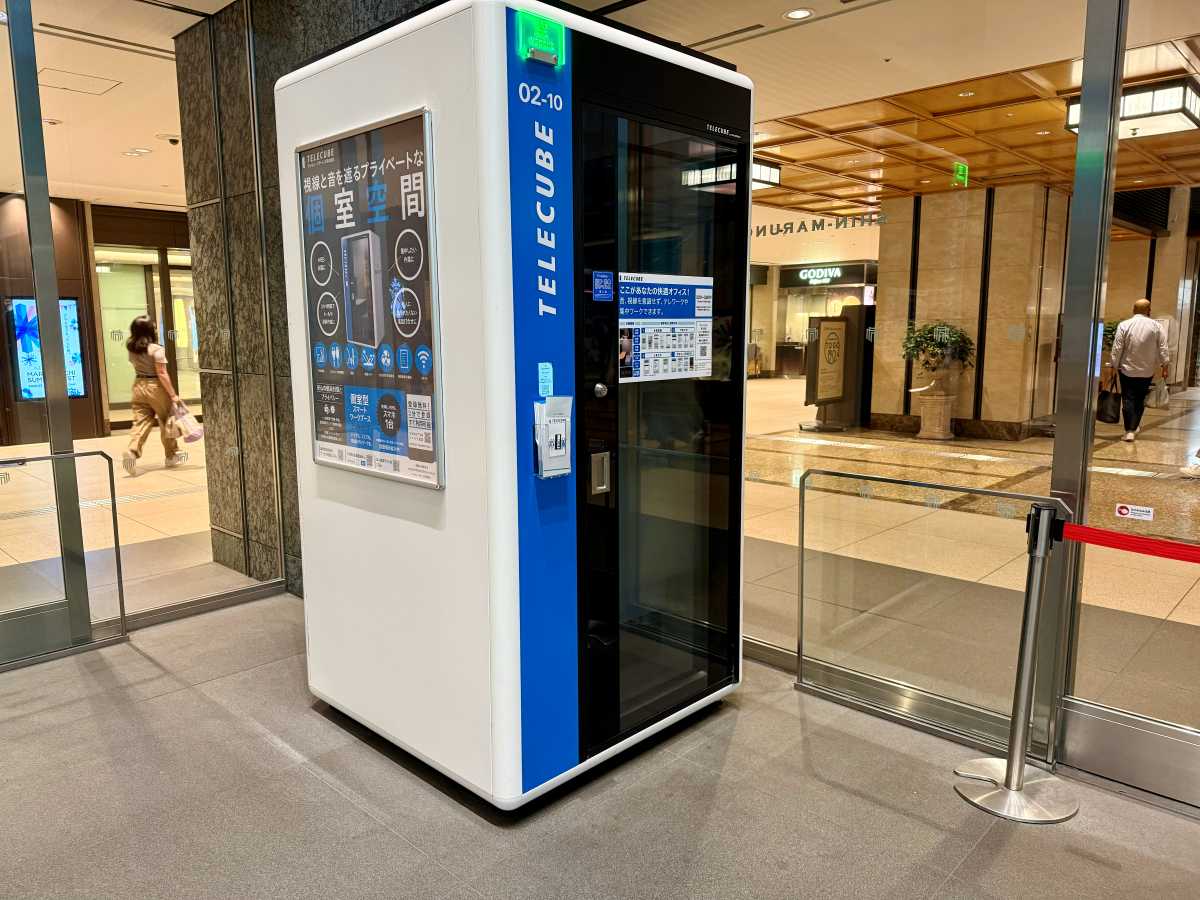
Private work booths and short-stay private spaces are designed mainly for quiet work, phone calls, and online meetings rather than for sleeping, so they suit a different need from a nap room. If you mostly want to sit privately, take a call, or get some focused work done between trains, a booth can be ideal, and many include power outlets, a desk, and Wi-Fi, though the exact facilities depend on the operator. They are usually booked by time, either in advance or on the spot, and pricing is based on how long you stay. For actual sleeping, a booth is generally not the right choice: the seating is built for working, not lying down, and some operators do not allow sleeping. Still, for a tired traveler who needs to be productive for an hour rather than rest, a quiet private booth can be more comfortable than a noisy café. If you need both privacy and a place to lie down, an internet café, a capsule hotel, or a day-use hotel is a better fit. Before you go, check the operator’s current locations, booking method, time-based fees, and usage rules through its official information.
Lounges and paid waiting spaces
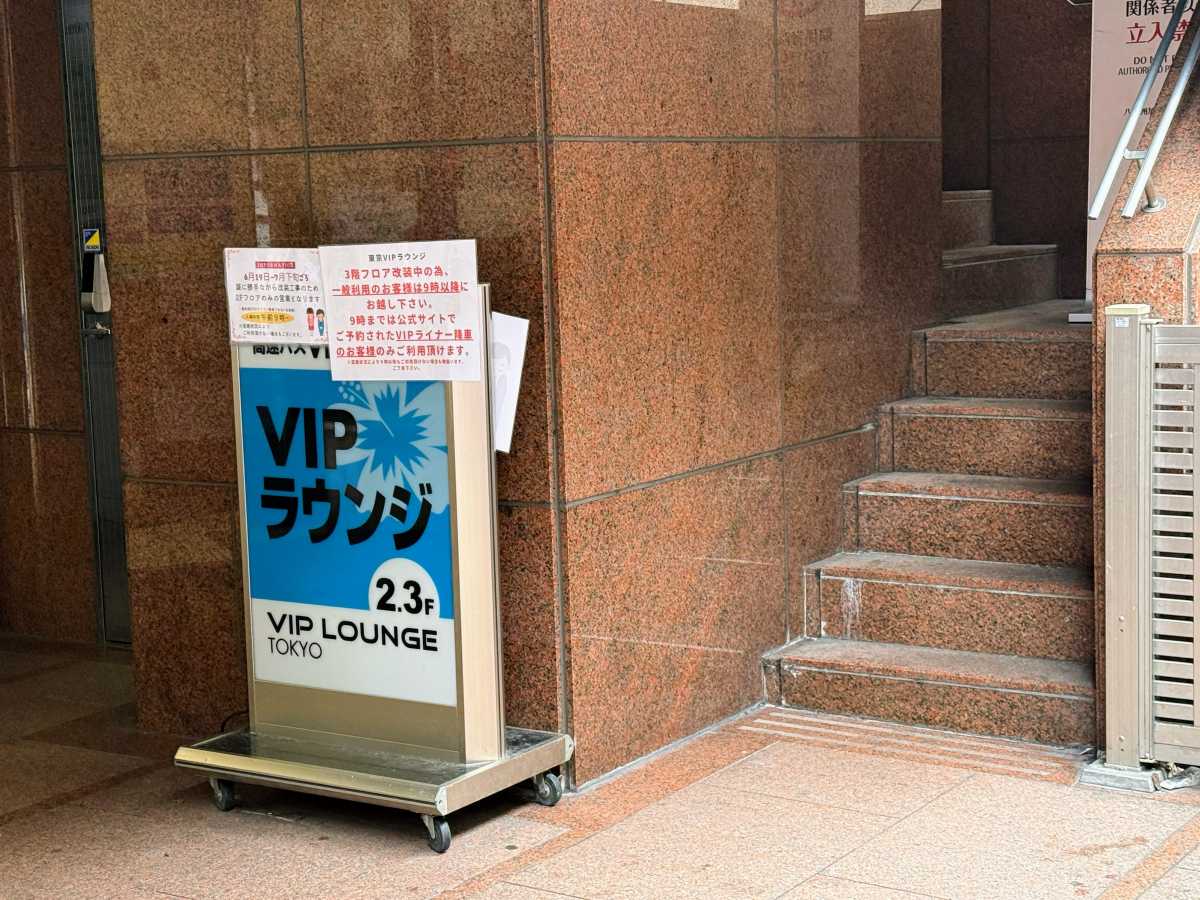
Lounges and paid waiting spaces can be useful for a short rest, somewhere comfortable to wait, and sometimes extras such as a shower, a powder area, or luggage support, depending on the facility. They tend to suit travelers who want to sit comfortably and freshen up rather than lie down and sleep, so they are better thought of as rest-and-wait spaces than as nap rooms. What each lounge offers varies a great deal, and so do the rules: some operate on a paid basis, some may require a membership, an app, or a reservation, and amenities such as towels may cost extra or may not be available. Hours also differ, and some may not open early enough for the first night bus arrivals, so check opening and last-entry times if your timing is tight. If your main goal is genuine sleep, a capsule hotel, a day-use room, or an internet café will usually serve you better than a lounge. Before you go, confirm the facility’s current services, fees, reservation rules, and hours through its official information, since these change and are easy to misjudge from older listings.
Public seating and station common areas
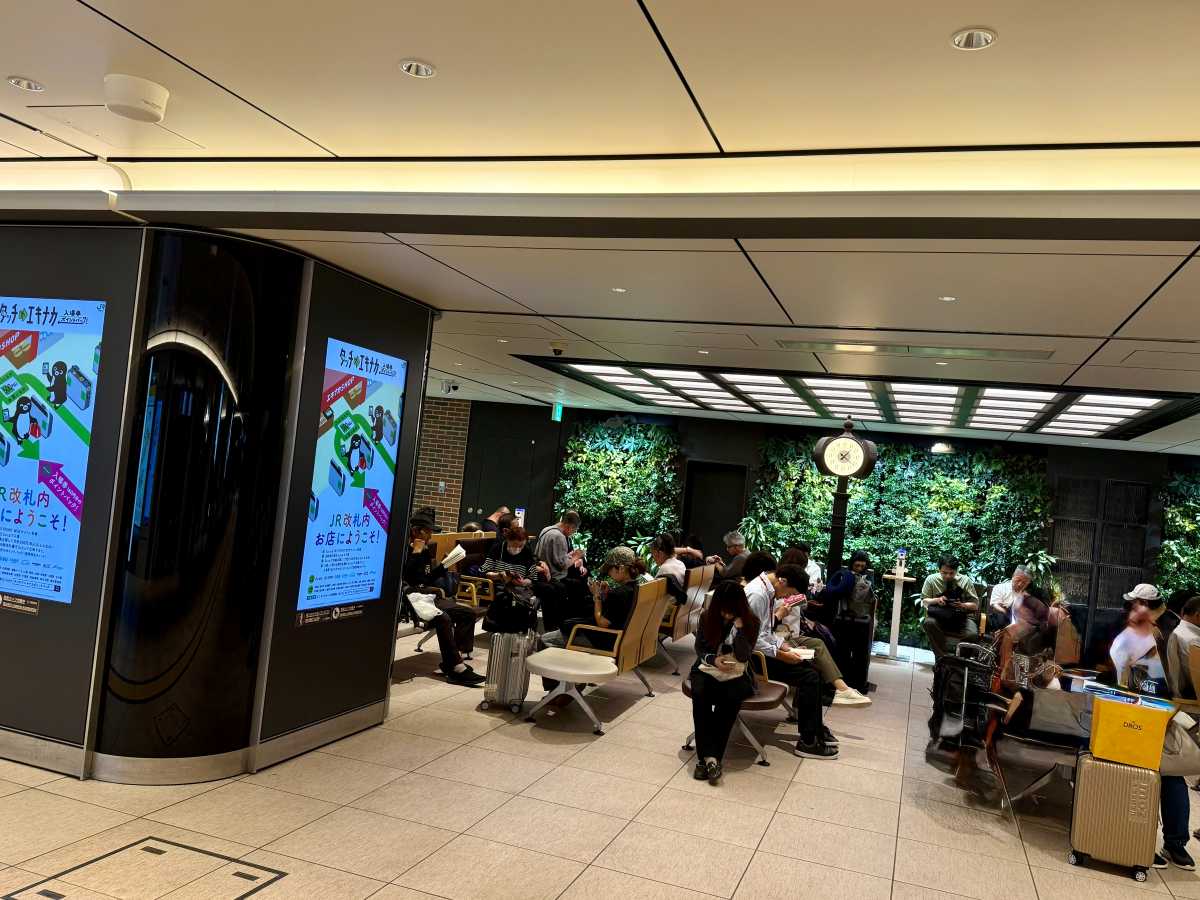
Public seating and station common areas are meant for short waiting, not for sleeping. Tokyo Station has benches, waiting corners, and seating near some shops and concourses, and these are fine for resting your legs for a little while, checking your phone, or waiting for a train. They are not, however, a place to lie down or sleep: occupying seats for long periods, stretching out across benches, or napping in common areas is discouraged, can disturb other travelers, and may prompt a reminder from station staff. If you are genuinely tired and need to sleep, the comfortable and considerate choice is a paid rest option such as an internet café, a capsule hotel, or a day-use room, where rest is what the space is designed for. Treat station seating as a brief pause between steps in your day rather than a substitute for a proper nap. This is especially worth keeping in mind after an overnight bus, when it is tempting to settle into the first quiet corner; a short walk to a paid facility will usually leave you far more rested. If you are not sure where to go, start with the options compared above.
Nap after storing luggage
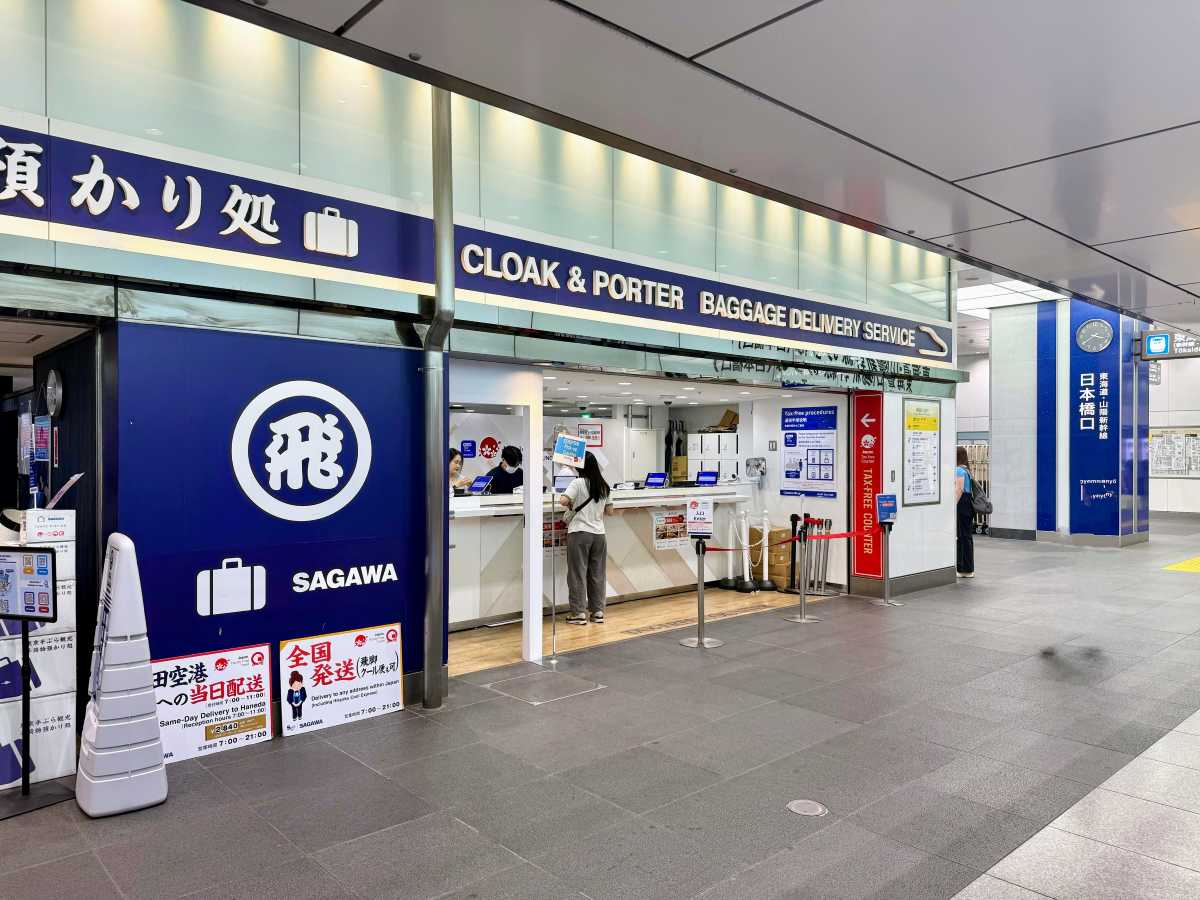
A large suitcase makes resting harder, whether you are trying to settle into a reclining seat, a capsule, or a small private room, so it is usually easier to store your luggage first and then go to rest with only what you need. A simple flow works well: store your bags in a coin locker or at a luggage storage counter, freshen up with a shower if you want one, then nap or rest, and head to your train or hotel afterwards with your hands free. Storing luggage first also means you are not watching a big case while you are trying to sleep, which makes the rest more relaxing. For travelers arriving on a night bus or before hotel check-in, sorting out your luggage first tends to make the whole morning smoother. For options on where to leave your bags, see the Tokyo Station luggage storage guide, and if you would like to freshen up first, the shower guide may help. Keep valuables, your passport, and important documents with you rather than in stored luggage, and check each facility’s own rules on what you can bring inside before you go.
Late-night and early-morning nap options
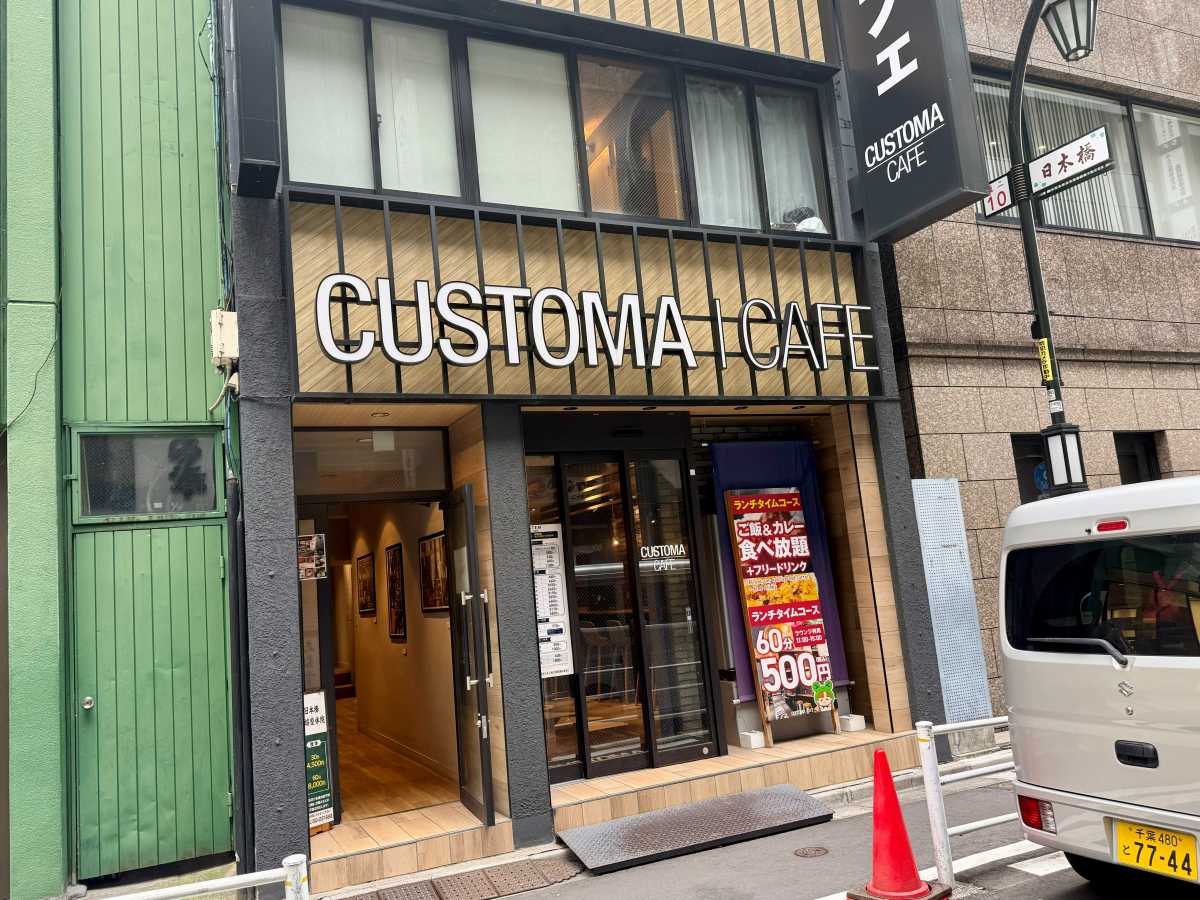
For travelers arriving on a late train or an overnight bus, or facing an early Shinkansen or a late flight, finding somewhere to rest outside normal business hours takes a little more planning. Around Tokyo Station, late-night and early-morning rest options do exist, but they are more limited than during the day, and you should not assume that cafés or lounges will be open when you arrive. Internet cafés and capsule hotels may be more suitable at these hours, though even they vary, so confirm a specific facility’s hours, last-entry time, and whether a reservation is needed before you rely on it. Also think about how you will get to and from the facility when trains are not running, and the general safety of the route at that hour. Having a plan before you arrive matters more at night than at any other time, since options are fewer and a wrong assumption is harder to recover from. For more on this, see the guide to late night and early morning rest near Tokyo Station. Before you go, confirm the latest information directly, since overnight availability can shift.
Important tips before napping near Tokyo Station
- Public seating and common spaces are for short waiting, not sleeping.
- Check whether the facility is near the Yaesu side, the Marunouchi side, or another nearby area.
- Confirm opening hours, last entry, fees, and reservation rules.
- Some facilities may require ID, membership, app registration, or advance booking.
- Gender rules may apply at capsule hotels or certain facilities.
- Store large luggage first if the facility has limited space.
- Shower access, towel rental, amenities, and charging may vary.
- Always check the latest official information before visiting.
Simple travel flows
Rest the easy way
A few common routines that make resting around Tokyo Station easier.
Route A
Night bus arrival
- Arrive near the Yaesu side
- Store luggage if needed
- Shower or café
- Nap or private room
- Hotel check-in or sightseeing
Route B
Before hotel check-in
- Arrive at Tokyo Station
- Store luggage
- Shower if needed
- Nap or café
- Hotel check-in
Route C
After hotel check-out
- Check out
- Store luggage
- Lunch or café
- Nap or day-use hotel if tired
- Pick up luggage
- Shinkansen or airport transfer
Route D
Long Shinkansen waiting time
- Store luggage if needed
- Nap or private room
- Return early
- Pick up your luggage
- Head to the platform
Rest properly
Choose a real rest option if you need to sleep
Tokyo Station has plenty of places to sit and wait, but a real nap is better handled through a paid facility than on a public bench. The main options to compare are internet cafés, capsule hotels, and day-use hotels, each offering a different balance of privacy, comfort, and cost, so the right choice depends on how long you have and how much privacy you want.
Storing your luggage first usually makes the whole process smoother, and a shower or phone charging can pair well with a rest. Night bus and early-morning travelers in particular should plan ahead, since fewer options are open outside normal hours. As always, check the latest official information before you visit, since details change.
Next steps
管理人の現地確認メモ Notes from the site owner
「公式サイトにはこうあるけど、実際は?」を確認します Checking how things really look on the ground
東京駅周辺の休憩場所・設備・移動導線について、現地で分かりにくい点があれば、 管理人が可能な範囲で確認します。費用は不要です。役に立った場合のみ、任意で応援いただけるとうれしいです。
If anything about rest spots, facilities, or walking routes around Tokyo Station is unclear from official sources, I'll check it on-site when I can. There's no charge — if it helps, an optional show of support is always appreciated.
現地確認を相談する Ask about an on-site check※確認日時点の状況です。公式情報・現地表示もあわせてご確認ください。 Information reflects the date checked. Please also confirm with official sources and on-site signage.