
What to Do Near Tokyo Station After Hotel Check-Out

What to Do Near Tokyo Station After Hotel Check-Out
Checked out but your train or flight is later? Store your luggage first, then choose lunch, a café, shopping, a shower, a nap, or a place to wait near Tokyo Station.
Many travelers check out of their hotel in the morning but do not leave Tokyo until the afternoon or evening, whether they are catching a later Shinkansen, heading to the airport, or simply making the most of a final day. That leaves a gap of several hours — often with luggage in hand — and the question of how to spend it comfortably.
After check-out, luggage is usually the main issue. Many hotels may hold bags after check-out, though policies and pickup deadlines vary, so if yours is close and easy to return to, that can be convenient. If your hotel is far from Tokyo Station or awkward to get back to, coin lockers or luggage storage near the station may be the better choice. Either way, freeing your hands first makes everything that follows easier.
Once your luggage is handled, the best way to use the time depends on your departure time, your energy at the end of a trip, the weather, and your route. You might want a relaxed lunch, some last-minute shopping, a shower before a long flight, or a short nap before an overnight journey. This page is part of the Tokyo Station Rest Guide, and it helps you put together a simple plan — starting with your luggage, then choosing what fits — while leaving enough time to collect your bags and reach your train, bus, or airport transfer. Throughout, please treat check-out times, fees, and availability as things to confirm through official information, and ask your hotel directly about its luggage policy.
Quick answer
What should you do after check-out?
- If your hotel can hold luggage and it is convenient to return, ask the hotel first.
- If you want to stay near Tokyo Station, use coin lockers or luggage storage near the station.
- If you have 1–2 hours, choose lunch, a café, or a station-connected facility.
- If you have several hours, consider shopping, light sightseeing, a shower, or a day-use hotel.
- If you have a long train or flight later, consider showering or resting before departure.
- If you need to stay near the Shinkansen gates, choose a station-connected option.
- Whatever you choose, check pickup deadlines, hours, availability, and reservation rules before you go.
Compare options
Compare your options after check-out
A quick overview of what to do near Tokyo Station while you wait to leave. Wording is general on purpose, because policies and availability vary by hotel and facility and can change.
Scroll horizontally to compare →
| Option | Best for | Pros | Check before using |
|---|---|---|---|
| Ask your hotel to hold luggage after check-out | Travelers whose hotel is close and easy to return to | May be available for guests, convenient if the hotel is easy to return to | Ask your hotel directly; pickup deadline, piece limits, and same-day-only rules vary |
| Coin lockers around Tokyo Station | Small to medium bags, short-term | Self-service, found along most routes, quick to use | Size, availability (can fill up), payment method, inside vs. outside the gates |
| Staffed luggage storage / app-based storage | Oversized luggage or when lockers are full | Staffed services may accept larger items; some app options can be booked ahead | Hours, fees, ID or booking, pickup deadline |
| Café or restaurant | A short wait, lunch, or a place to sit | Relatively easy to find, often station-connected, useful for short waits | Outlets are not guaranteed; avoid long stays when busy |
| Shopping or light sightseeing nearby | A longer wait with energy to spare | Station-connected areas and nearby districts | Store luggage first; opening hours and closing days vary; keep your return route simple |
| Shower facility | Freshening up before a long journey or in hot weather | A shower where available, sometimes with rest space | Paid facilities, not public station showers; availability, towels, fees, hours |
| Internet café / net café | A lower-cost private space, rest, and charging | Private booths or reclining seats, sometimes a shower | ID or membership, fees, hours, seat types |
| Capsule hotel or day-use hotel | A real rest or a private room before departure | May provide proper rest, shower access, or a private room depending on the facility | Booking, time slots, gender rules, luggage rules |
| Phone charging / work booth | Charging, calls, or focused work | Power and Wi-Fi where offered; mobile battery rental as a backup; booths bookable by time | Outlets vary at cafés; booths are for working, not sleeping |
| Waiting inside Tokyo Station or near the Shinkansen gates | Short waits and staying near the gates | Close to platforms for transfers | Ticket gate access; for short waiting only, not sleeping; do not leave luggage unattended; arrive early to collect bags |
If this, then start here
Choose by your situation
Find the line that matches your day for a sensible starting point.
Scroll horizontally if needed →
| Situation | Recommended starting point |
|---|---|
| My hotel is close and easy to return to | Ask the hotel whether it can hold your luggage after check-out. |
| My hotel is far from Tokyo Station | Store your luggage near Tokyo Station first. See luggage storage. |
| I have a large suitcase | Look for large lockers or staffed luggage storage. |
| I only have 1 hour | Stay near your route, use a café, or wait near the gates. |
| I have 2–3 hours | Store luggage, then eat, shop, or rest nearby. |
| I have 4+ hours | Consider sightseeing, a shower, a nap, or a day-use hotel. |
| I have a long flight or train later | Consider showering or resting before departure. |
| I need to charge my phone | Choose a café, a work booth, or a charging option. See phone charging. |
| I am traveling with children | Choose a simple, station-connected facility and avoid too much walking. |
| I am leaving by Shinkansen | Stay close enough to return, collect your luggage, and reach the platform early. |
A closer look
A closer look at each step
A simple plan for the gap before you leave — luggage first, then what fits your time. Local photos will be added over time; for now, treat hours, fees, and availability as things that change, and confirm official information before you go.
Step 1: Ask your hotel or store your luggage
After check-out, what to do with your bags is usually the first thing to settle, since carrying a large suitcase around Tokyo Station for hours is tiring. Many hotels may hold luggage after check-out, though policies vary, so if yours is close and easy to return to, leaving your bags there and collecting them before you head to the station can be convenient — just ask your hotel directly about the pickup deadline and any limits rather than assuming. If your hotel is farther from Tokyo Station, returning for your bags may cost more time than it saves, and storing them near the station can be the better choice. Coin lockers are the quickest option when one is available, though larger sizes fill up during busy periods, and a very large suitcase may need a large locker or a staffed luggage counter. Whichever you choose, note the latest pickup time so you are not caught out near departure. Once your hands are free, the rest of your day is far easier to plan. For where to leave your bags, including lockers, staffed counters, and app-based storage, see the Tokyo Station luggage storage guide. Before you go, confirm your hotel’s luggage policy and the latest locker or storage availability.
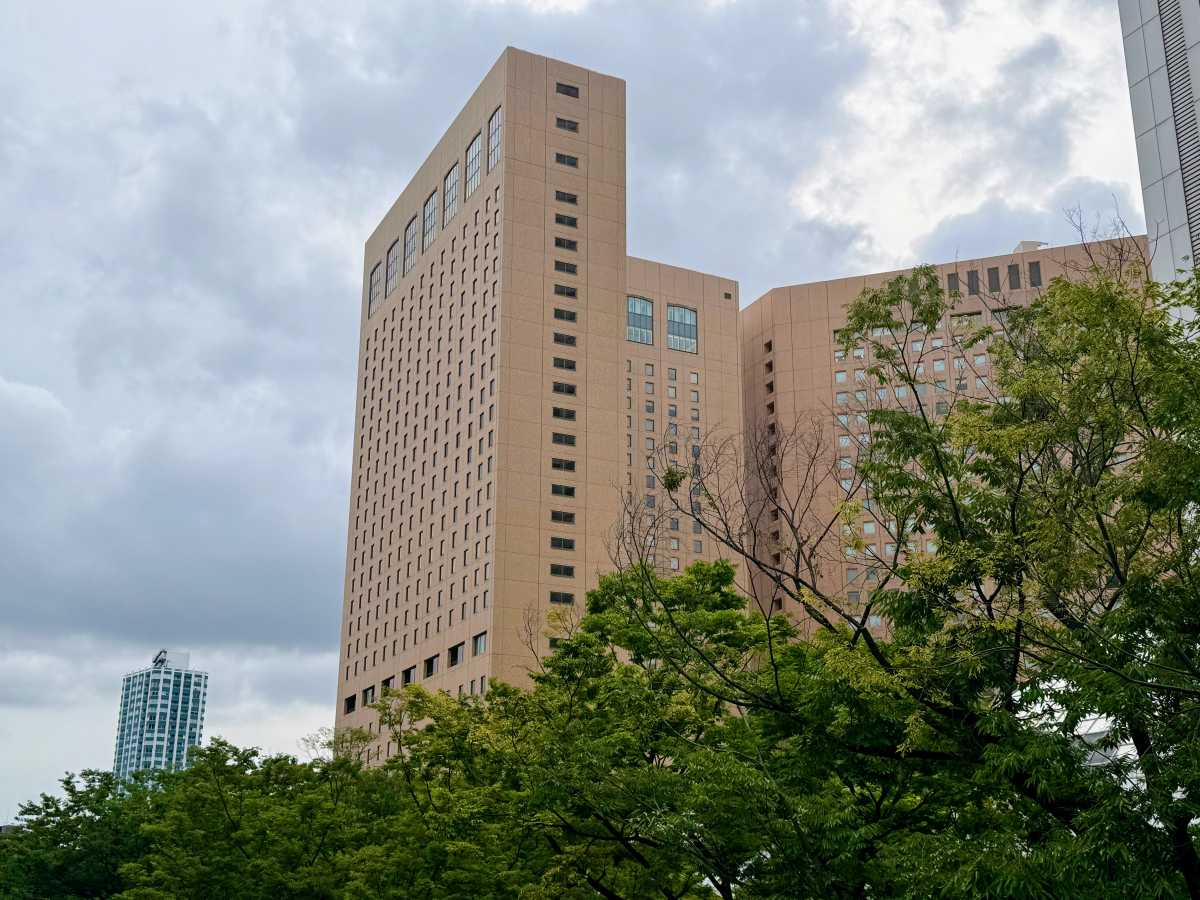
If you only have a short wait
If you only have an hour or two before your train or transfer, the simplest plan is usually the best one. Rather than starting something that needs a tight return, stay close to your next route — the Shinkansen gate, your bus stop, or your transfer point — so you are not rushing back at the last minute. A café, a quick lunch, station-connected shopping, or simply a comfortable place to wait may be all you need to pass a short gap. If you are carrying bags and have not stored them, keep them with you and never leave luggage unattended, even for a few minutes. Remember that public seating and station common areas are for short waiting, not for sleeping or settling in for hours, so use them as a brief pause rather than a rest stop. Keep an eye on the time, and build in a few extra minutes to reach your platform or pickup point so a small delay does not become a problem. If you would rather not watch your bags, storing them in a nearby locker for a short time can make even a brief wait more relaxed. Before you go, check your gate, platform, or transfer details so your waiting spot keeps you close.
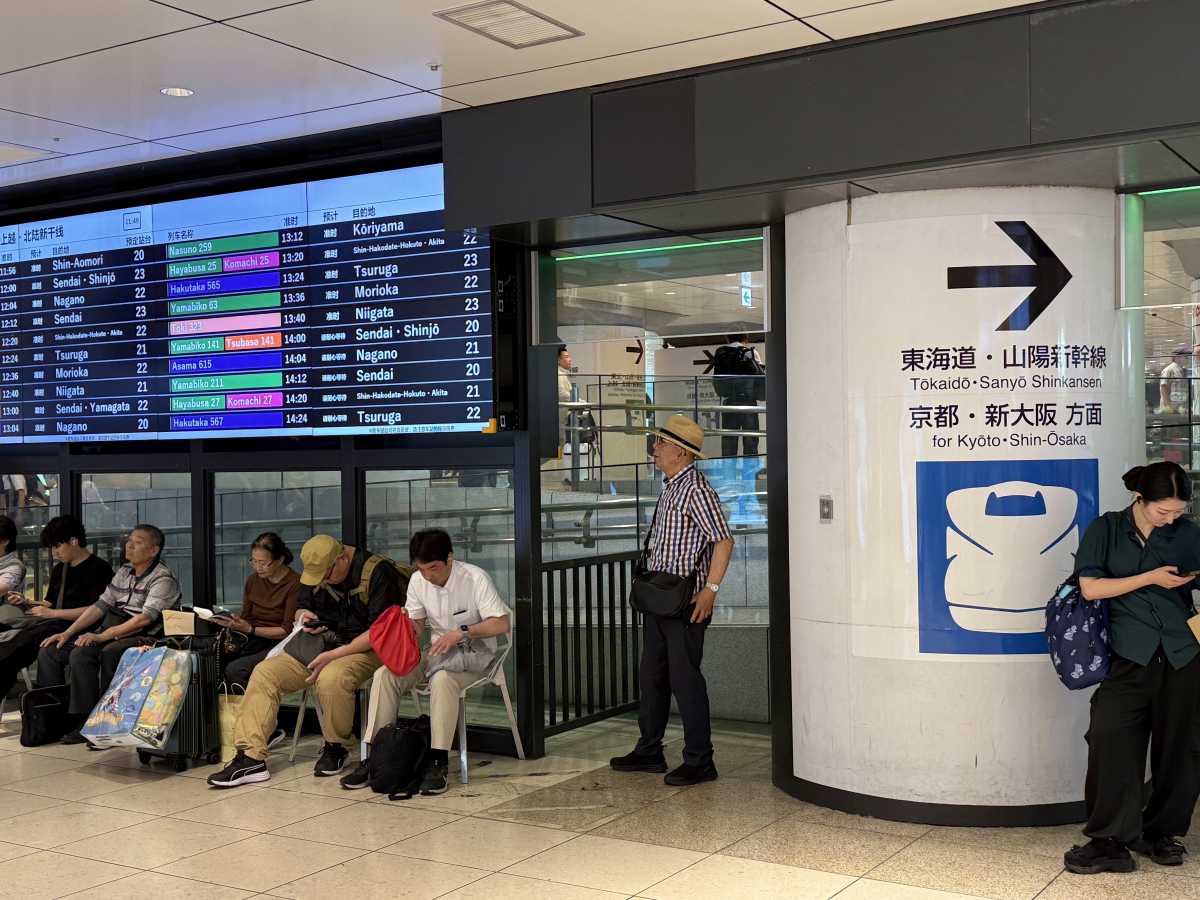
If you have several hours
With several hours to fill after check-out, the first move is almost always to store your luggage, so you are free to enjoy the time rather than guard a suitcase. Once your bags are settled, you can choose what suits you: shopping, light sightseeing, a relaxed meal, a café, a shower, or a nap before a long journey. The main thing is not to plan too aggressively before a train or flight — it is easy to lose track of time, and you will want a comfortable margin to return, collect your luggage, and move on to your platform or airport transfer. A relaxed loop that keeps you within easy reach of Tokyo Station tends to work better than an ambitious itinerary across the city. If your departure is many hours away and you are tired at the end of a trip, a shower or a short rest in a paid facility can leave you in much better shape for the journey. Keep your route simple and your return plan clear. Before you go, check opening hours and any closing days for specific places, and confirm your luggage pickup deadline so the end of your day stays unhurried.
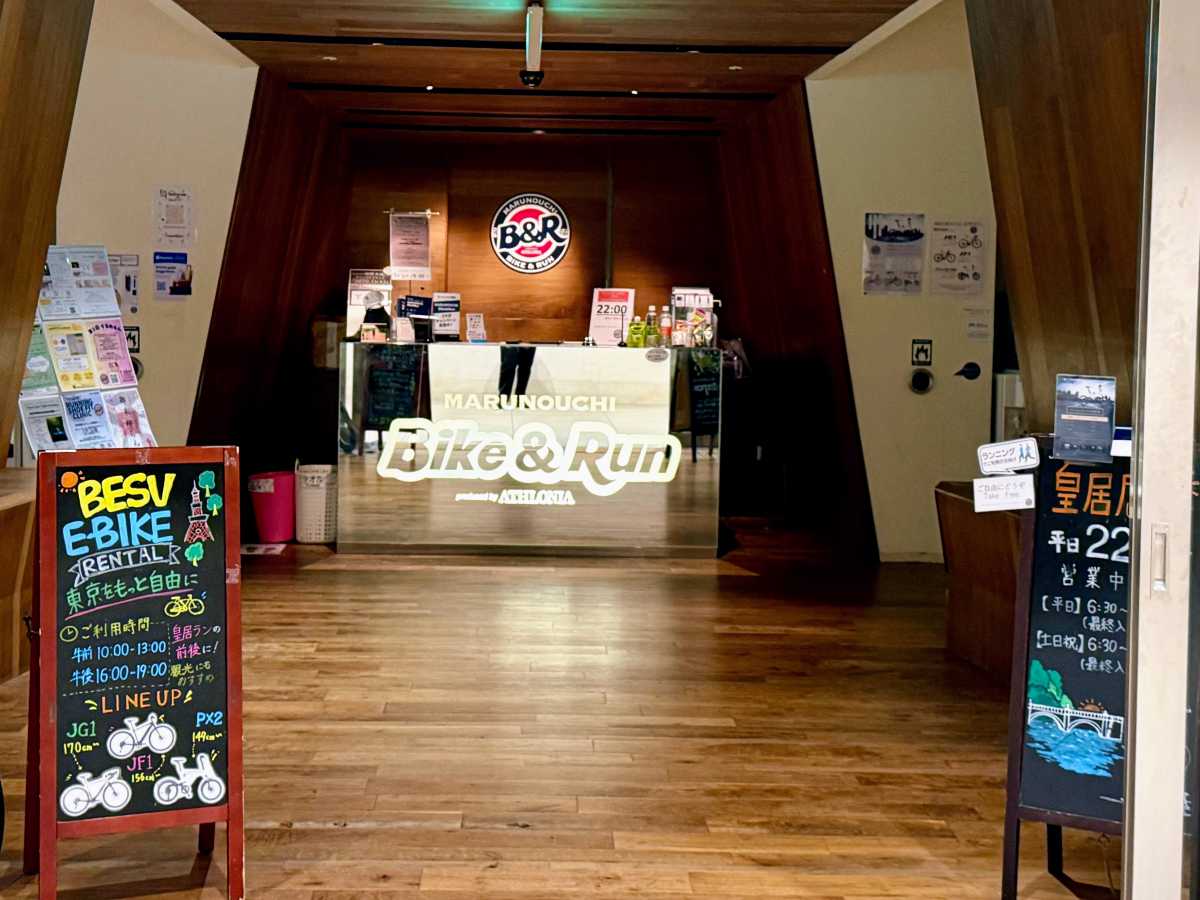
If you need a shower after check-out
Before a long train ride, a long-haul flight, overnight travel, or on a hot and humid day, a shower after check-out can leave you far more comfortable for the journey ahead. It is worth knowing that Tokyo Station itself is not a simple public shower facility, so shower options near the station are usually paid facilities nearby — travel lounges, internet cafés, running or cycling support stations, capsule hotels, and day-use hotels among them. What each offers differs, and shower availability, towel rental, fees, opening hours, and the rules for non-guests all vary and can change, so confirm before you go rather than assuming a shower will be available on arrival. Because shower rooms, lockers, and changing areas tend to be tight on space, it is usually easier to store your luggage first and then go to freshen up with only what you need. Leave enough time afterwards to collect your bags and reach your platform or transfer. For the full set of options and what to check at each, see the guide to showers near Tokyo Station. Before you go, confirm the facility’s current shower availability, fees, towel rental, and hours through its official information.
If you need a nap or private room after check-out
If you are tired before a long journey, a short rest can make a real difference, but remember that public seating and station common areas are meant for short waiting, not sleeping. For proper rest after check-out, the practical choices are paid facilities: internet cafés, capsule hotels, and day-use hotels. A day-use hotel may provide a private room with a shower within a booked time slot, which suits travelers who want quiet and privacy before a long train or flight. An internet café or a capsule hotel may be a lower-cost option for a shorter or more flexible rest, depending on the facility, and a capsule often pairs sleep with a shower. Each has its own rules around check-in, gender separation, luggage, and how long you can stay, so check before you commit. As always, storing your luggage first makes resting easier, and you should leave a comfortable margin to collect your bags and reach your departure point afterwards. For a fuller comparison of these options and what to confirm at each, see the guide to napping near Tokyo Station. Before you go, confirm current availability, fees, and check-in rules through the facility’s official information.
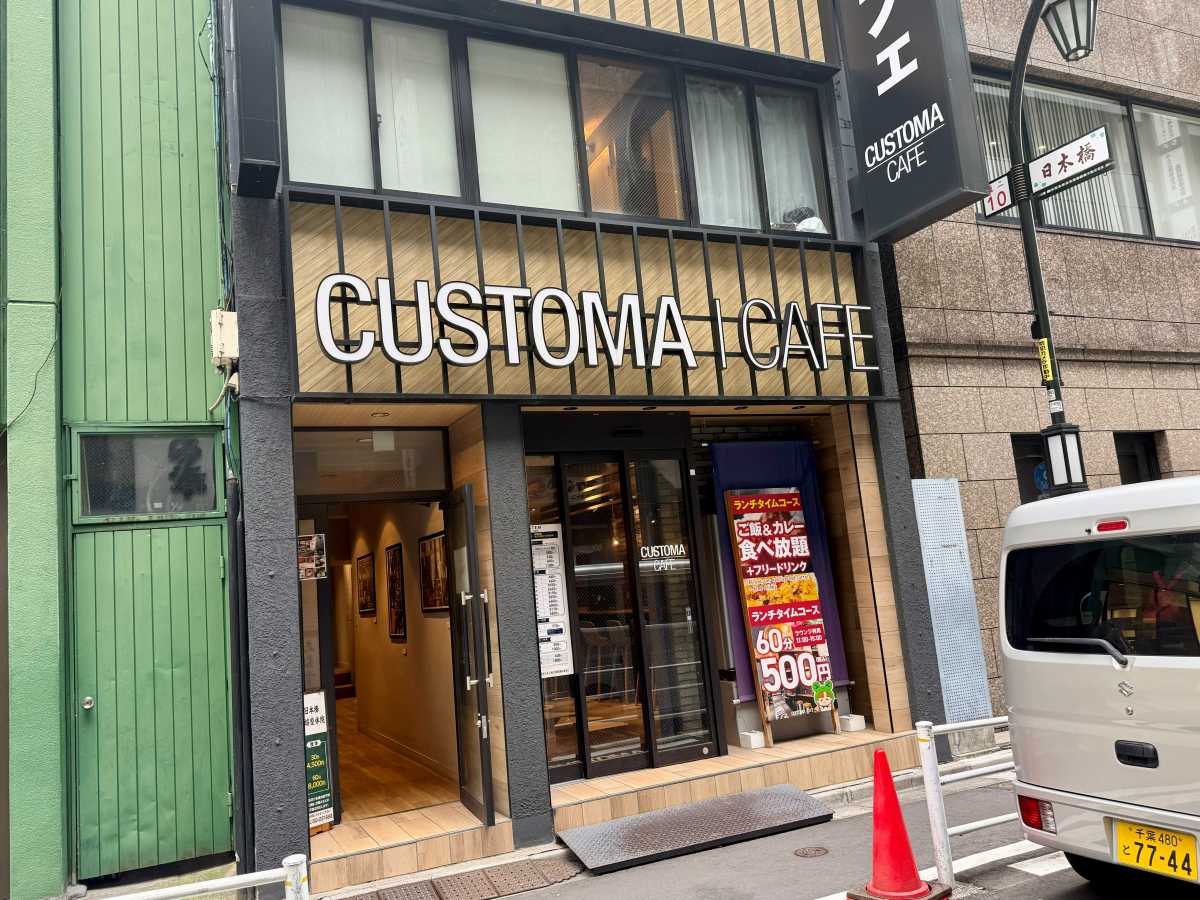
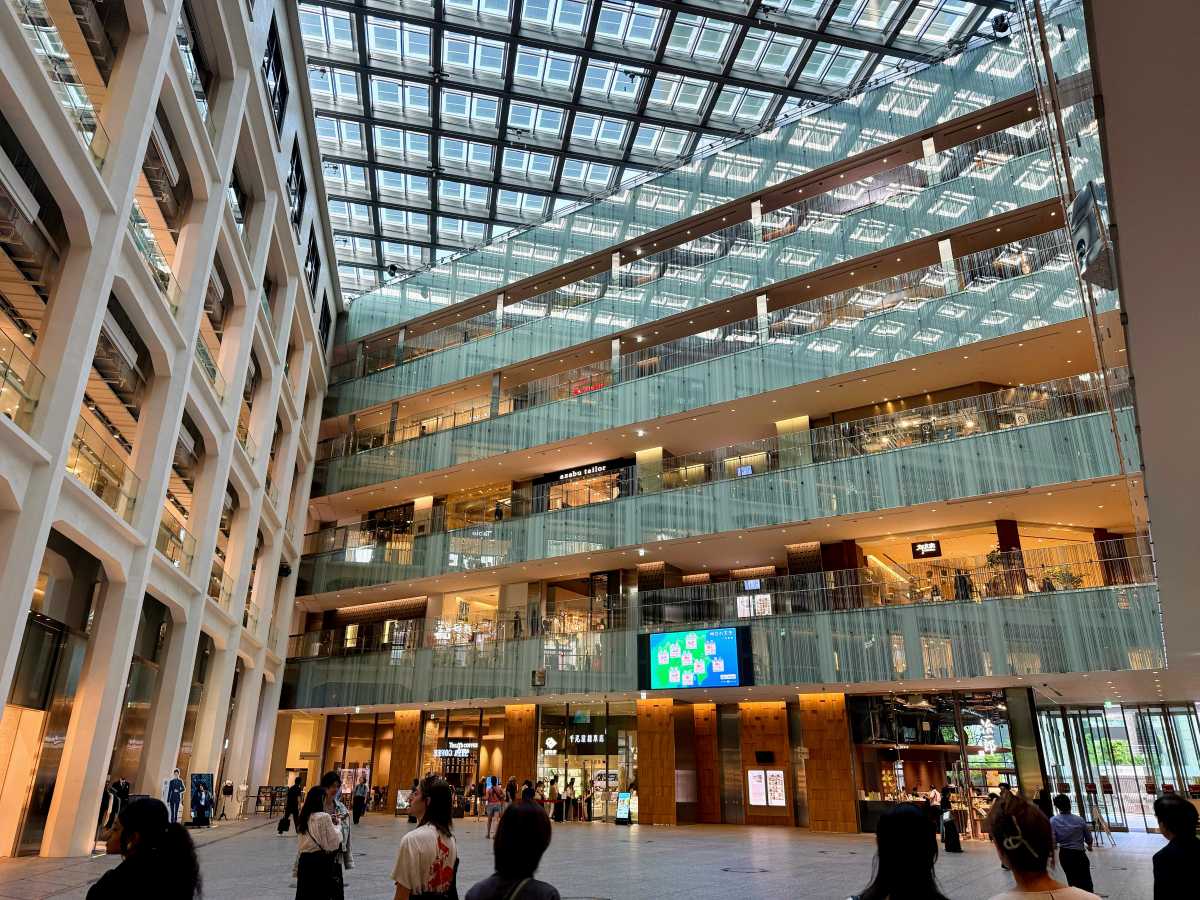
If you want lunch, café, shopping, or light sightseeing
Once your luggage is stored, lunch, coffee, shopping, or light sightseeing near Tokyo Station becomes much easier and is a pleasant way to spend the time before you leave. Options will depend on your departure time, energy, and the weather, but they may include the station’s own connected shopping areas, nearby department stores, the Marunouchi and Yaesu districts, the Nihonbashi area, and the outer grounds of the Imperial Palace within walking distance. On a check-out day, the key is to keep your route simple and stay within easy reach of the station, so collecting your luggage and moving on does not become a rush. Plan a clear return route, and keep an eye on the time if your train or transfer is fixed. If the weather is poor, the underground and station-connected areas let you eat and shop comfortably without going outside. If you are traveling alone and would like easy, well-lit, station-connected places to sit and pass the time, the guide for solo travelers may help. Before you go, check opening hours and any closing days for specific shops or attractions, since these vary and some sights have set hours or require tickets.
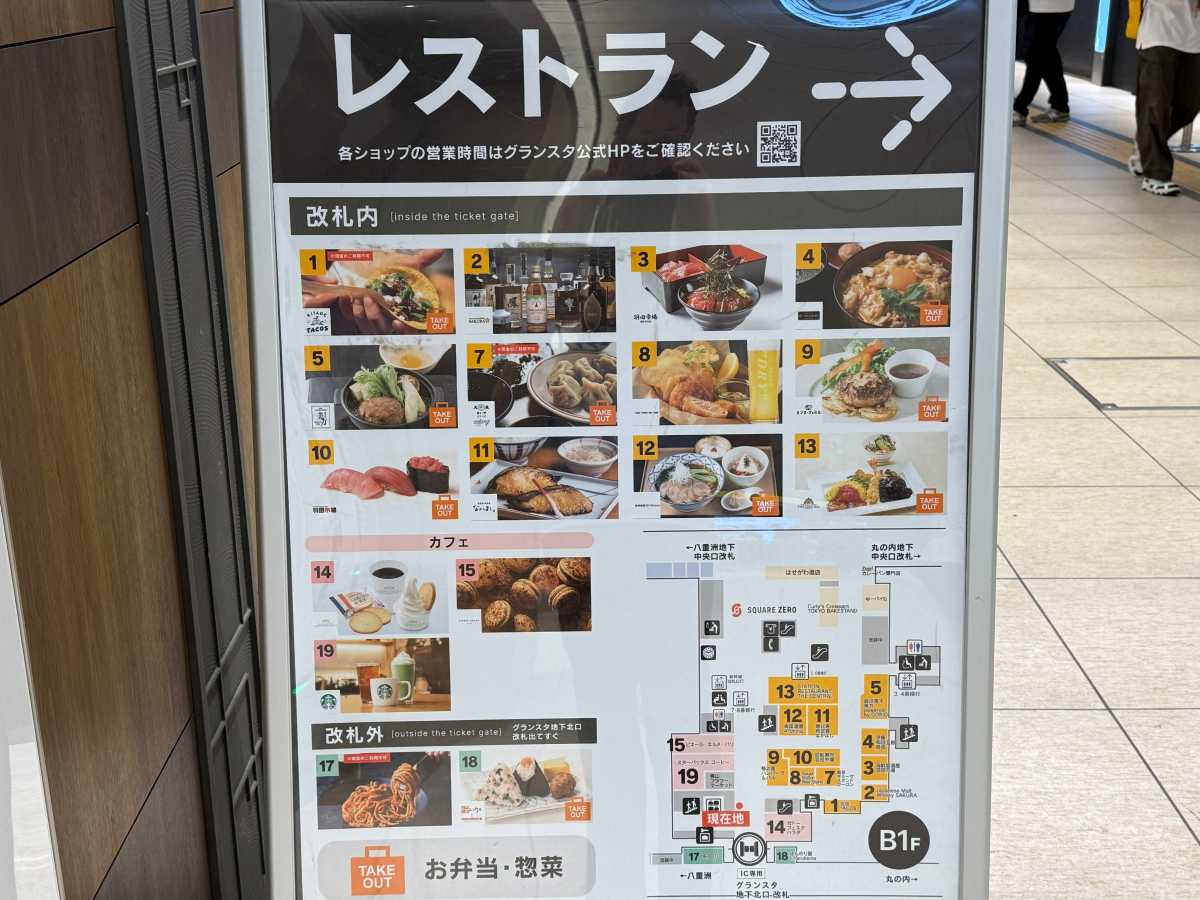
If you need to charge your phone or work
Before a train, bus, or airport transfer, topping up your phone is often a priority, and you may also want to get some work done. Cafés, paid work booths, mobile battery rental, and private spaces near Tokyo Station can all help, though what they offer differs. Not every café has accessible power outlets, so if charging is your main aim, it is worth checking before you settle in, or carrying a portable battery — and mobile battery rental can be a useful backup if you are moving around. For calls, online meetings, or quiet work, a private booth can be more comfortable than a busy café, and many include power and Wi-Fi — but these booths are designed for working, not sleeping, so they are not a substitute for a nap room. Booths are usually booked by time, in advance or on the spot. If you have stored your luggage, you can charge or work without juggling a suitcase, and still leave time to collect your bags before departure. For more on where to top up your battery around the station, see the phone charging guide. Before you go, confirm a booth operator’s locations, booking method, and fees through its official information.
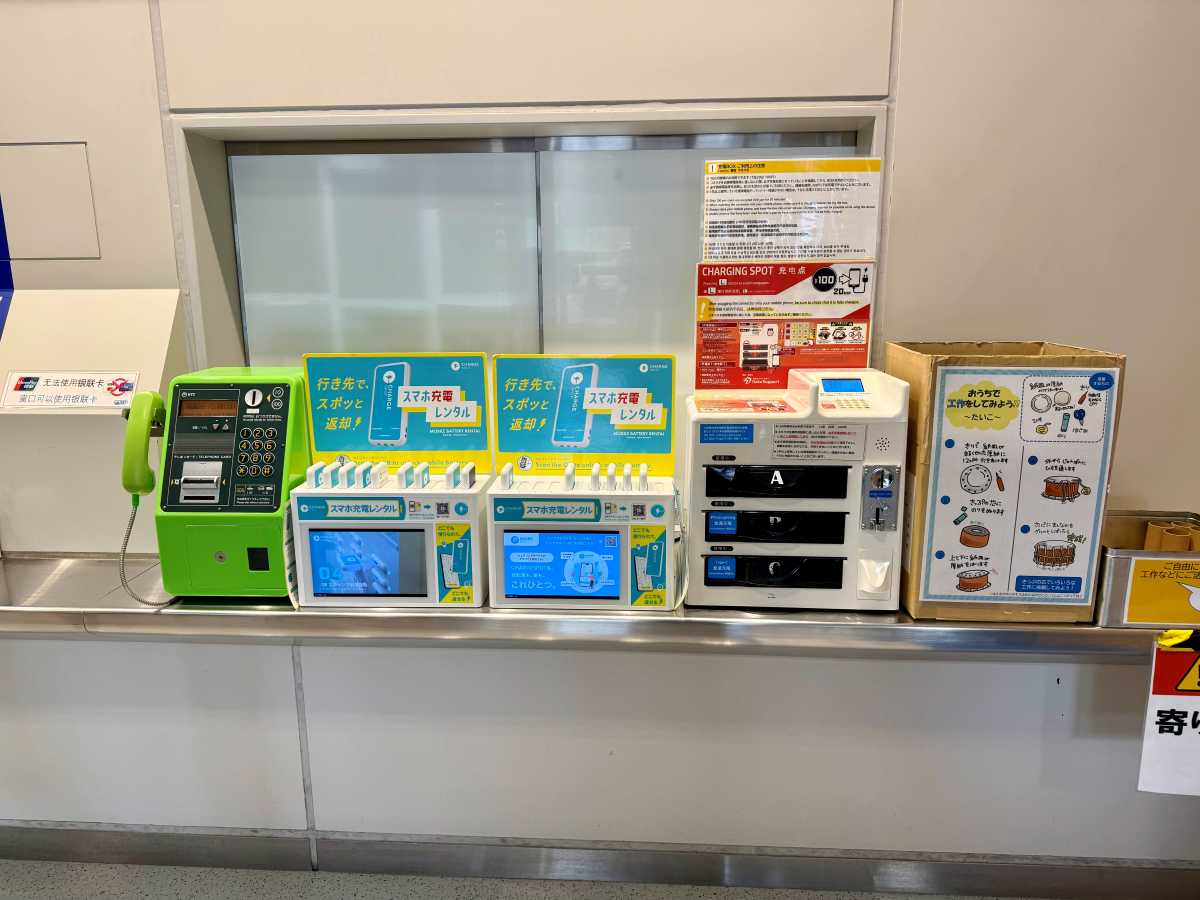
If you are waiting near the Shinkansen or ticket gates
When your departure is near, it can make sense to stay close to the Shinkansen or ticket gates rather than wander far. The inside-gate areas may be convenient for short waits and transfers, with shops and seating within the paid zone. Keep in mind that ticket gate access matters: reaching inside-gate areas usually requires a valid ticket, and once you leave the gates you cannot re-enter without one, so plan around that. As elsewhere in the station, common seating is for short waiting, not for sleeping or settling in for hours, so if you are tired enough to need a nap, a paid rest option is the better and more considerate choice. Never leave your luggage unattended while you wait; keep your bags and valuables with you, or store them properly first. Most importantly on a departure day, arrive early enough to collect any stored luggage and reach your platform without rushing, allowing for crowds and the walk between locker, gate, and platform. Before you go, check your platform and gate details so your waiting spot keeps you close to where you need to be.
Important tips after hotel check-out
- Ask your hotel whether it can hold luggage after check-out, but do not assume.
- Check the latest pickup time if leaving luggage at your hotel or a storage service.
- If your hotel is far from Tokyo Station, storing luggage near the station may save time.
- Large suitcases may not fit in smaller lockers.
- Coin lockers and storage services may fill up during busy periods.
- Showers, nap rooms, and day-use hotels may require payment, ID, reservation, or membership.
- Public seating and common spaces are for short waiting, not sleeping.
- Keep valuables, passports, and important documents with you.
- Leave enough time to collect luggage and reach your platform, bus stop, or airport transfer.
- Check official information before visiting any facility.
Simple travel flows
Plan the gap, luggage first
A few common routines, all starting with your luggage.
Route A
Standard check-out day
- Check out
- Ask your hotel or store luggage
- Lunch or café
- Pick up luggage
- Shinkansen or airport transfer
Route B
Long wait before departure
- Check out
- Store luggage
- Shopping or sightseeing
- A meal
- Pick up luggage
- Station or airport transfer
Route C
Very tired traveler
- Check out
- Store luggage
- Day-use hotel, capsule hotel, or internet café
- Shower or nap
- Pick up luggage
- Departure
Route D
Summer or long-haul travel
- Check out
- Store luggage
- Shower
- Café or rest
- Pick up luggage
- Train or airport transfer
Route E
Short wait
- Check out
- Keep your route simple
- Café or waiting area near the gates
- Collect your bags
- Platform
Luggage first
Make your last day easier by handling luggage first
After check-out, your luggage usually decides what you can comfortably do. Once your bags are handled — held by your hotel or stored near the station — you are free to choose lunch, a café, shopping, sightseeing, a shower, a nap, or phone charging, rather than dragging a suitcase around on your last day.
The right option depends on your departure time, the weather, your energy level, and where your luggage is stored. Above all, leave enough time to return, collect your bags, and reach your train, bus, or airport transfer without rushing. As always, check official information before visiting any facility, since hours, fees, and availability change. If you are at the start of your trip rather than the end, see the guide for before hotel check-in.
Next steps
管理人の現地確認メモ Notes from the site owner
「公式サイトにはこうあるけど、実際は?」を確認します Checking how things really look on the ground
東京駅周辺の休憩場所・設備・移動導線について、現地で分かりにくい点があれば、 管理人が可能な範囲で確認します。費用は不要です。役に立った場合のみ、任意で応援いただけるとうれしいです。
If anything about rest spots, facilities, or walking routes around Tokyo Station is unclear from official sources, I'll check it on-site when I can. There's no charge — if it helps, an optional show of support is always appreciated.
現地確認を相談する Ask about an on-site check※確認日時点の状況です。公式情報・現地表示もあわせてご確認ください。 Information reflects the date checked. Please also confirm with official sources and on-site signage.