
Tokyo Station Luggage Storage Guide

Tokyo Station Luggage Storage Guide
Find coin lockers, luggage storage services, and backup options for large suitcases near Tokyo Station.
Tokyo Station is one of the busiest terminals in Japan, and its luggage storage is spread out rather than gathered in a single spot. Coin lockers sit in many different areas, both inside and outside the ticket gates, with many useful locker areas and storage options on the Yaesu side, especially for travelers using the Shinkansen or highway buses. The Marunouchi side may have fewer obvious storage options depending on where you are, so it helps to check the station map before walking with luggage. Because of this, the first question is not just “where is a locker?” but “where is a locker near the direction I am heading next?”
Coin lockers are convenient and usually the fastest way to free your hands, but they can fill up, especially the larger sizes and especially during busy mornings, weekends, and holidays. If you are carrying a large suitcase, a standard small or medium locker may not fit it, and even large lockers are limited in number. In that case, a staffed luggage storage counter, your hotel, or an app-based storage service can be a better choice.
This page is a practical guide to help you decide what to do with your bags around Tokyo Station, whether you have arrived before hotel check-in, checked out with hours to spare, are waiting for the Shinkansen, or have just stepped off an overnight bus. It is part of the Tokyo Station Rest Guide. Throughout, please treat hours, fees, sizes, and availability as things that change, and confirm the latest official information before you rely on any single option.
Quick answer
Where should you start?
- If you have a small bag, start with coin lockers near the route you will take next.
- If you have a large suitcase, check large lockers first, and consider staffed luggage storage if none are free or your case is oversized.
- If lockers are full, consider an app-based storage service, your hotel, or a different area of the station rather than circling the same spot.
- If you are arriving or leaving by night bus, check the Yaesu side and the bus terminal area first.
- If you are waiting for the Shinkansen, look at locker areas near your route, and check whether they are inside or outside the ticket gates before committing.
- Whatever you choose, confirm the size, availability, payment method, and pickup deadline before you leave your luggage.
Compare options
Compare your luggage storage options
A quick overview of the main choices around Tokyo Station. Wording is general on purpose, because details vary by location and change through the day.
Scroll horizontally to compare →
| Option | Best for | Pros | Check before using |
|---|---|---|---|
| Coin lockers in and around Tokyo Station | Short-term storage of small to medium bags | Self-service, found along most routes, quick to use | Size vs. your bag, availability, payment method, and whether it is inside the ticket gates |
| Large-size coin lockers | Standard suitcases | Fit most check-in-size cases without needing staff | Limited in number and fill up early; confirm your case actually fits before paying |
| Staffed luggage storage services | Oversized luggage, or when lockers are full | Staff accept large or odd items; some may offer hotel or airport delivery (confirm with the provider) | Opening hours, per-item fee, possible ID or booking, same-day pickup deadline |
| Hotel luggage holding | Guests staying nearby, before check-in or after check-out | Often included for guests, convenient, no locker hunt | Confirm with your hotel; time limits, piece limits, and rules vary |
| Luggage storage apps or partner shops | Backup when station storage is full | Book in advance; partner cafés or shops, some open late | Booking, location, accepted size, pickup deadline, and recent reviews |
| Bus terminal / Yaesu-side options | Highway bus users | Close to the Yaesu bus terminal and underground area | Whether storage is inside the terminal, underground, or a nearby facility, plus hours |
| Keeping luggage with you in a spacious café or paid facility | Short waits, or if you prefer not to store | No drop-off or pickup timing; bags stay with you | Whether the place has room for luggage; some cafés are tight on space |
If this, then start here
Choose by your situation
Find the line that matches your day for a sensible starting point.
Scroll horizontally if needed →
| Situation | Recommended starting point |
|---|---|
| I arrived before hotel check-in | Store your luggage first, then use cafés, a shower, or sightseeing time. See before hotel check-in. |
| I checked out but my train is later | Ask your hotel to hold bags, or use lockers or storage near the station. See after hotel check-out. |
| I have a large suitcase | Look for large lockers, or staffed luggage storage if none are free or your case is oversized. |
| Coin lockers are full | Try another station area, a staffed counter, or an app-based storage service. |
| I am taking the Shinkansen | Check locker areas near your route, and confirm ticket gate access before committing. |
| I am using a night bus | Check Yaesu-side and bus terminal area options. For overnight arrivals, see late night and early morning. |
| I want to shower or nap after storing luggage | Store bags first, then see showers or nap and private rooms. |
A closer look
A closer look at each option
Practical notes on each way to store your bags. Local photos will be added over time; for now, treat hours, sizes, fees, and availability as things that change, and confirm official information before you go.
Coin lockers at Tokyo Station
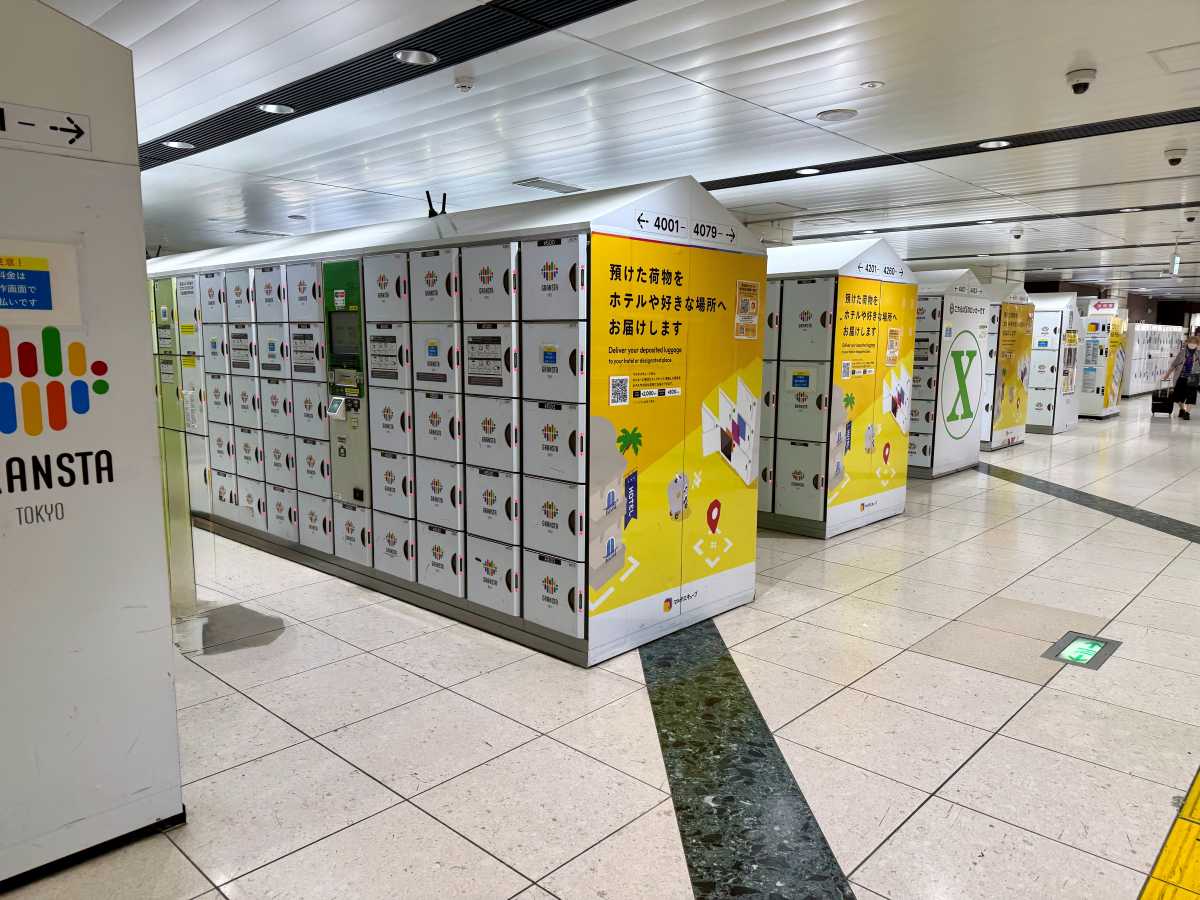
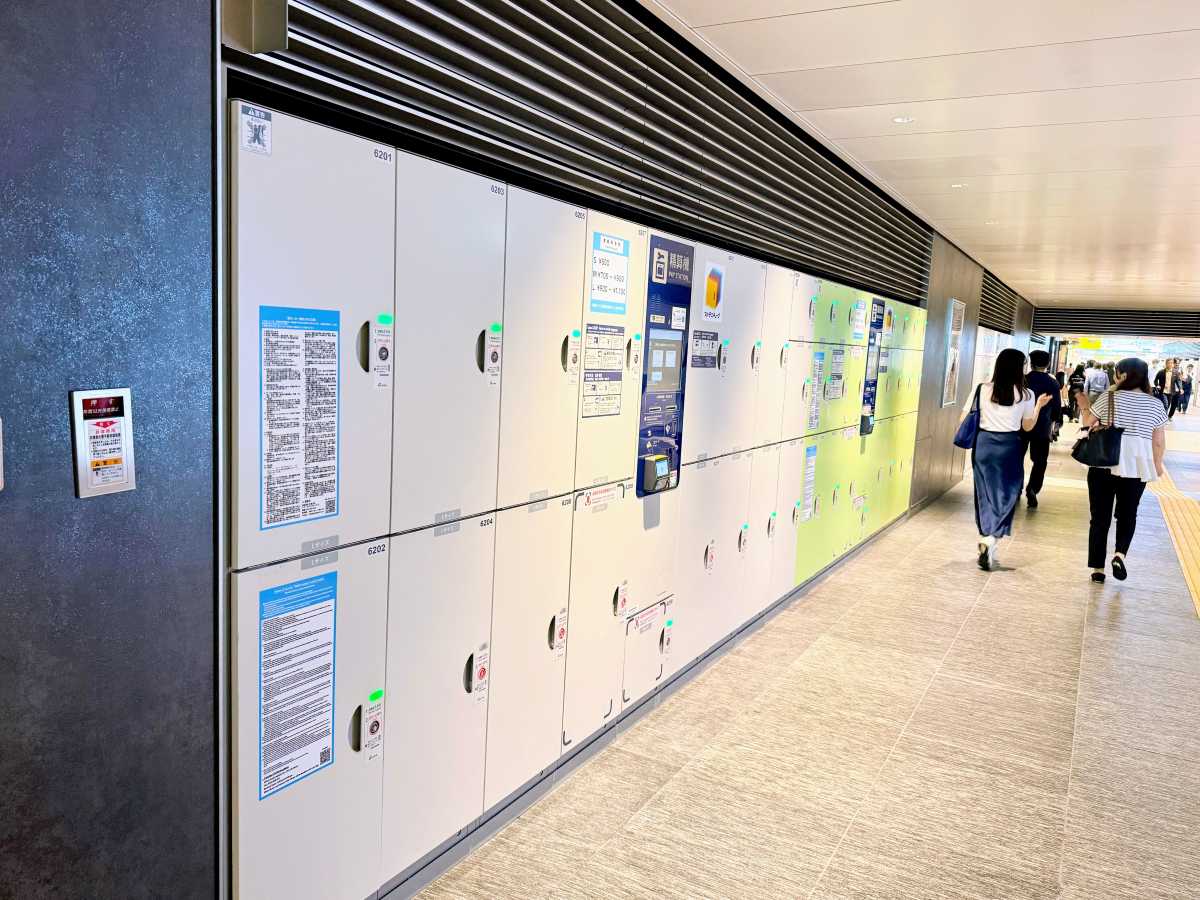
Coin lockers are usually the quickest way to free your hands for a few hours, and Tokyo Station has a large number of them spread across many areas. There are many useful locker areas on the Yaesu side, which serves heavy Shinkansen and highway bus traffic, while the Marunouchi side may have fewer obvious options depending on where you are, so it helps to check the station map before walking with luggage. Lockers are found both inside and outside the ticket gates. The simplest approach is to choose a locker bank near the route you will take next, rather than walking the whole station. Before paying, check the locker size against your bag, the accepted payment method (many take IC cards such as Suica or Pasmo, while some key-type lockers are coins only), and whether space is free. Larger lockers tend to fill up first during busy mornings, weekends, and holidays. If a locker sits inside the ticket gates, remember that you usually need a valid ticket to reach it, and once you leave the gates you cannot re-enter without one. Some locker systems may provide online availability information or reservation features, depending on the operator and location, so it is worth checking before you arrive.
Large suitcase storage
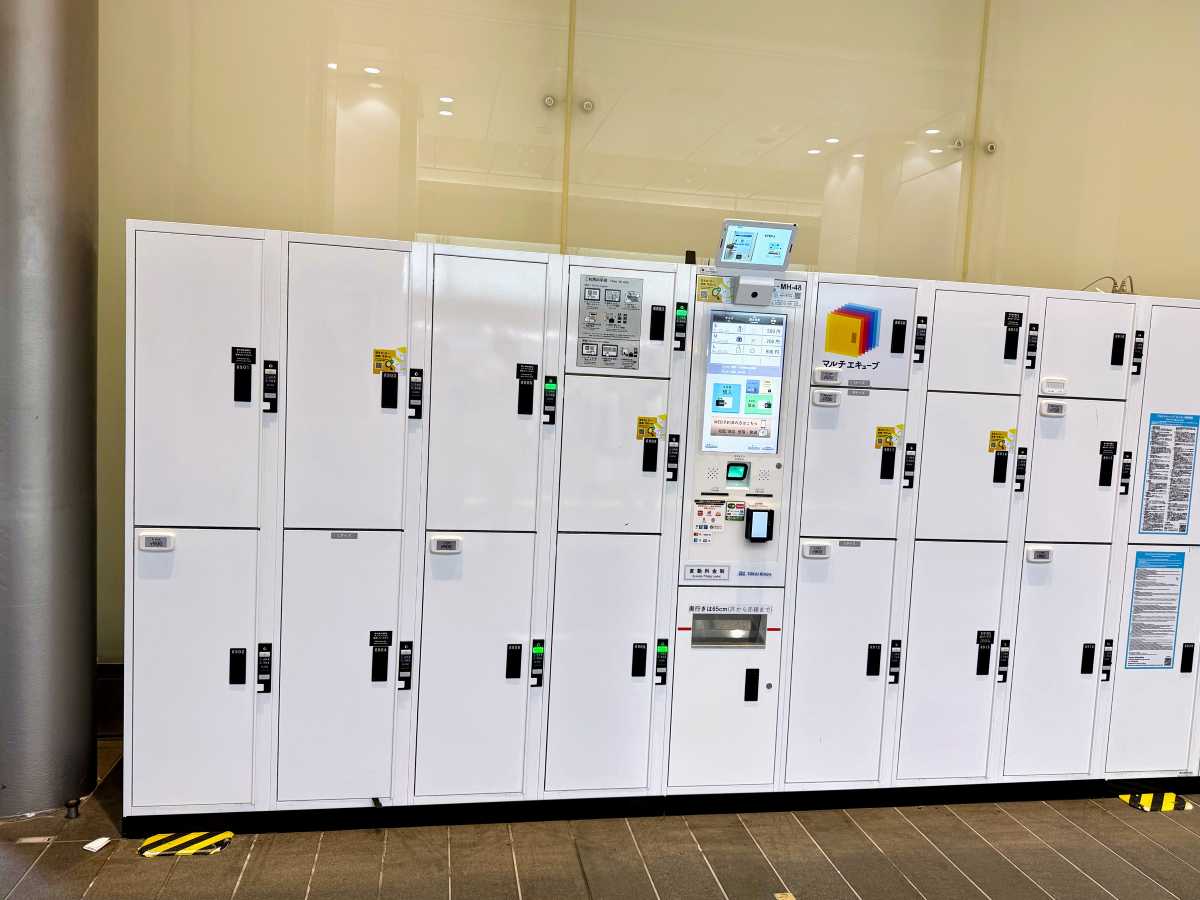
Not every locker will fit a large suitcase, and this is the most common reason travelers get stuck. Standard suitcases usually need a large locker, and extra-large or hard-shell cases may not fit even those. Large lockers are limited in number and tend to be taken earliest, especially during peak travel periods, so it helps to have a plan B before you start searching. Before paying, compare your case visually against the locker opening, and avoid forcing the door, since a tight squeeze can jam it. If your luggage is oversized, or you cannot find a free large locker, a staffed luggage storage counter or your hotel is often the better choice, since staff can accept larger and odd-shaped items. Some storage services or smart-locker systems may offer availability checks or reservations, depending on the location and operator, which can be one way to plan ahead rather than relying on luck on the day. As always, check the latest official information for sizes, fees, and availability, since these can change and vary by location around the station.
Staffed luggage storage services
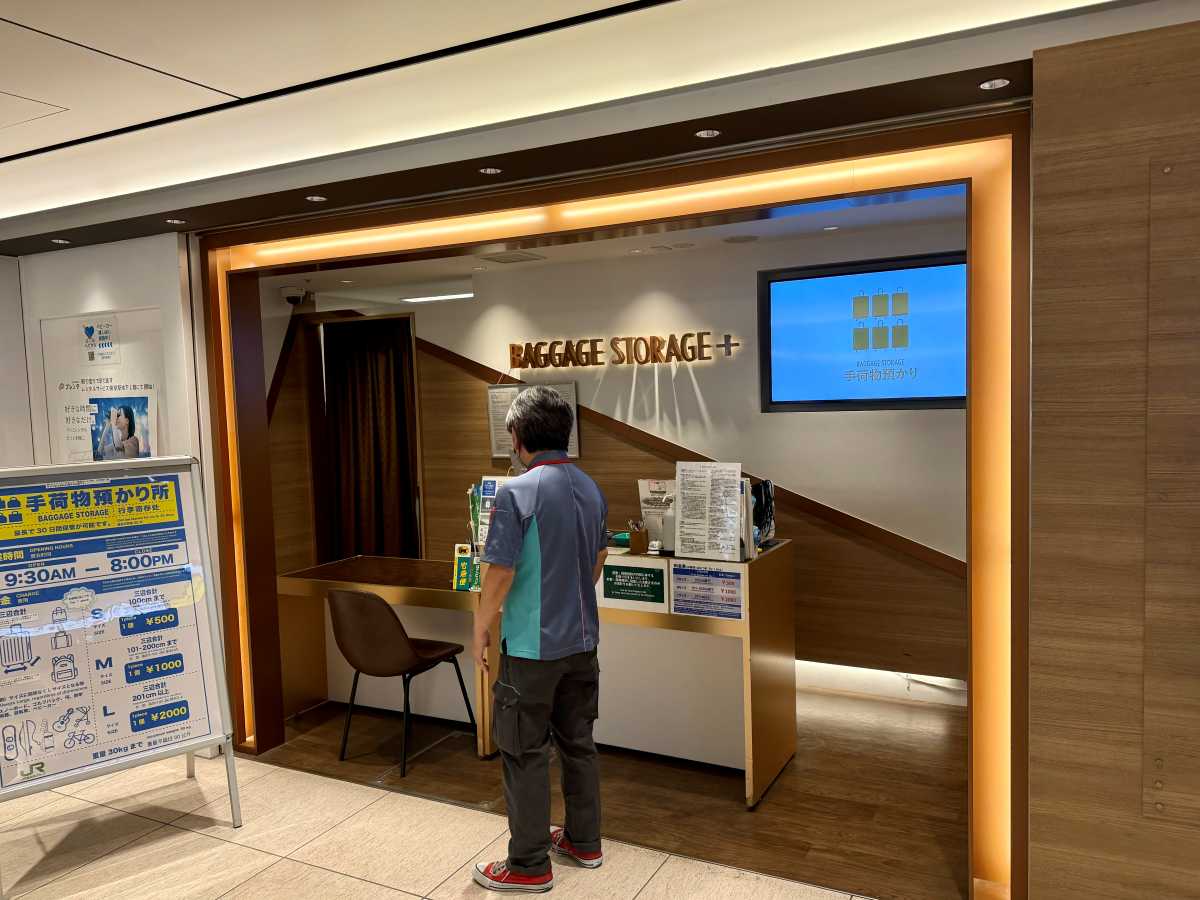
When coin lockers are full, or your luggage is simply too large or awkward for them, a staffed luggage storage counter is a practical backup. Around Tokyo Station, staffed luggage counters or baggage services may be available outside the ticket gates, depending on the area and operating status. Staffed counters can usually accept larger and oddly shaped items that will not fit in a locker. Some services may offer delivery to a hotel or airport, but availability, cutoff times, and destinations vary, so confirm directly with the provider. In return for handling bigger items, staffed storage tends to have set opening hours, a per-item fee, and a same-day pickup deadline, and some may ask for ID or a booking. Because names, hours, fees, size limits, and operating status vary and can change, confirm the current details through official information before you rely on one. A staffed counter is especially helpful before hotel check-in or after check-out, when you may have large bags and several hours to fill.
Hotel luggage holding
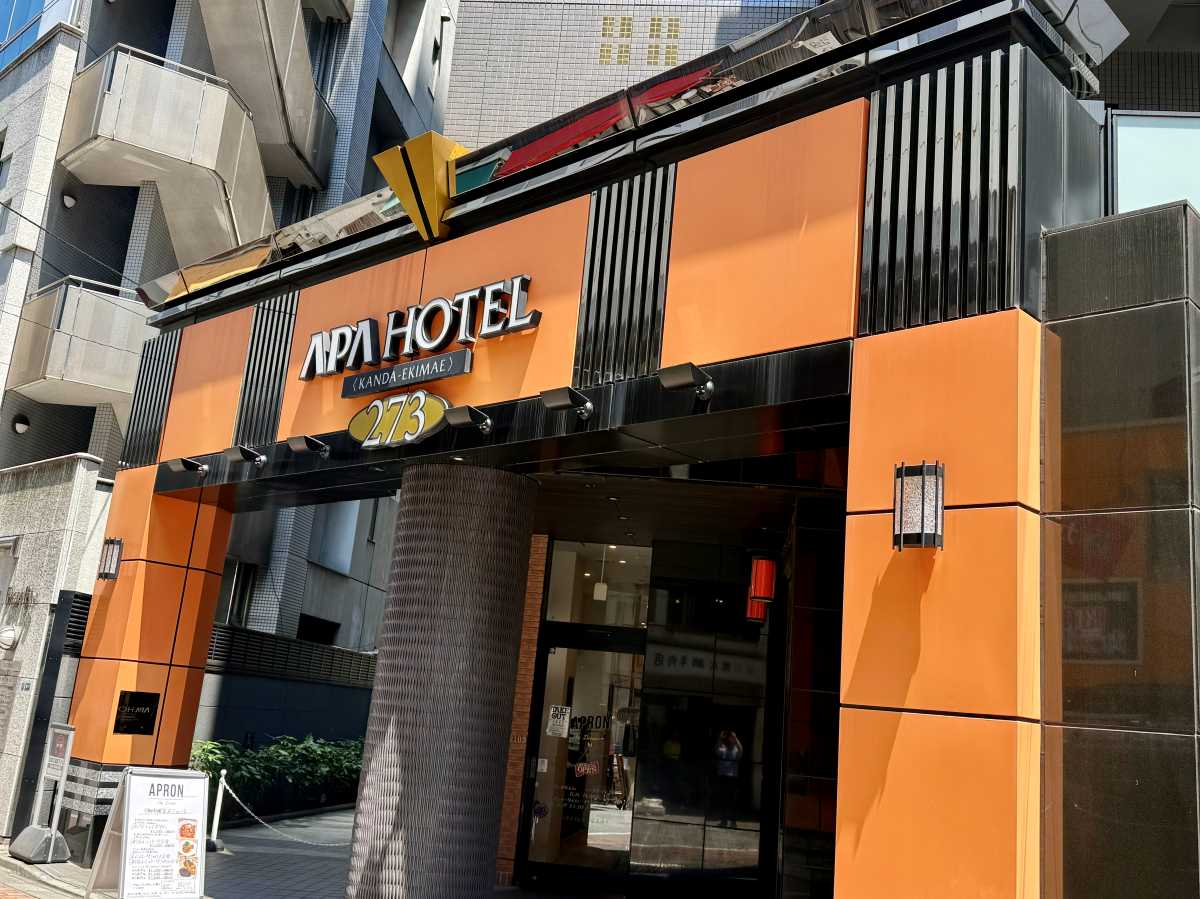
If you are staying at a hotel near Tokyo Station, holding your luggage there can be one of the most convenient options. Many hotels will keep bags before check-in or after check-out, which means you can drop everything off and explore without hunting for a locker. Policies vary, though: some hold luggage only on the day of your stay, some limit how long or how many pieces they keep, and security arrangements differ from place to place, so it is best to confirm the details directly with your hotel rather than assuming. This option is particularly helpful when station lockers are full, when you have an early arrival before check-in, or when you finish check-out but your train or flight is hours away. If your hotel is a short walk from the station, the small detour to drop off or collect bags is usually worth it. Ask at the front desk about timing, any fee, and whether you can retrieve your luggage at the hour you need. As with any storage, keep valuables, your passport, and important documents with you rather than leaving them in stored luggage.
Luggage storage apps and partner shops
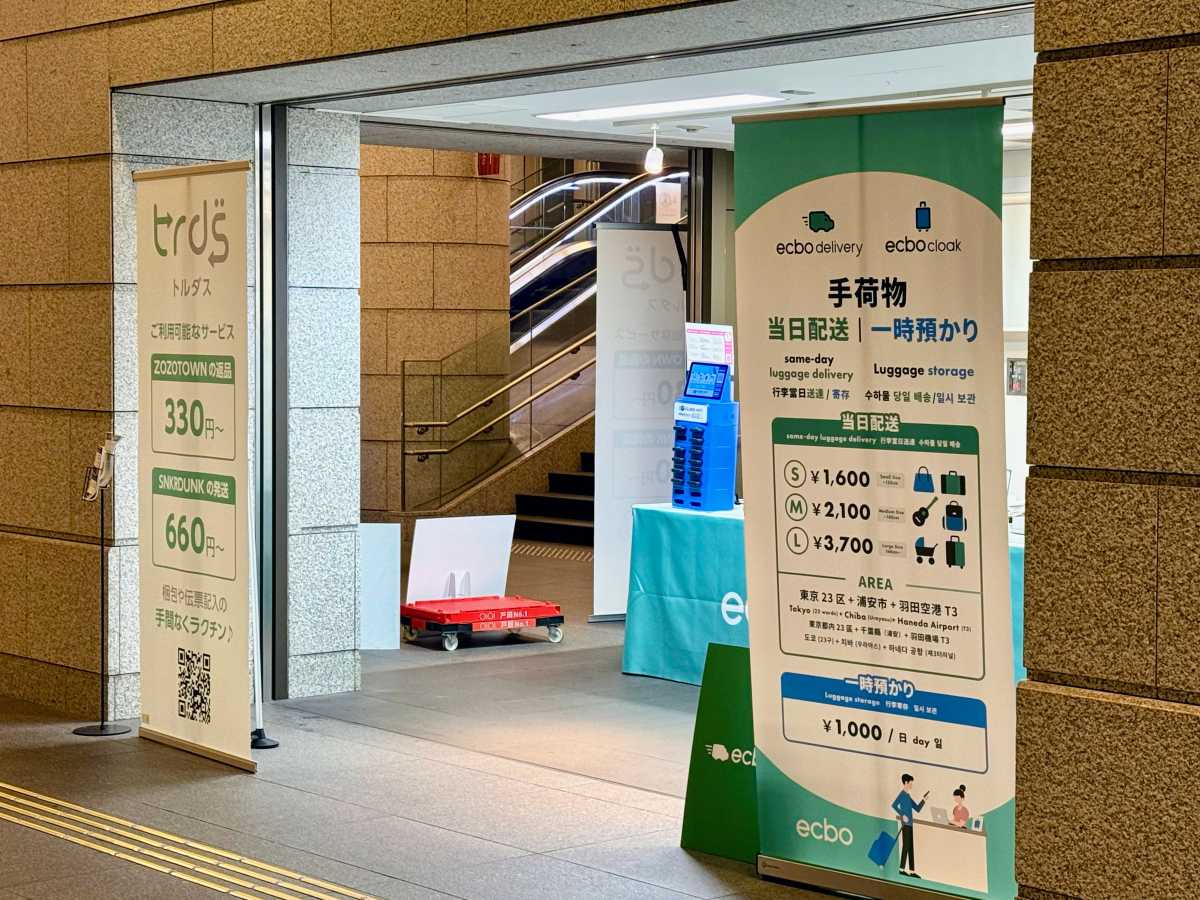
When the station’s own lockers and counters are full, app-based luggage storage can be a useful backup. Some app-based services, such as ecbo cloak, connect travelers with partner locations — cafés, shops, and sometimes internet cafés (often called net cafés in Japan) or karaoke venues — that set aside space for bags. Booking through the app is usually required, and you choose a drop-off point near where you are heading. Some partner locations may have longer hours than station counters, but opening hours vary by shop and should be checked in the app before you go. Before relying on one, check the partner’s location and opening hours, the size and type of luggage they accept, the pickup deadline, and recent reviews, since space and conditions vary by shop. App storage is generally a backup rather than a first choice: it adds a booking step and depends on a partner shop being open and having room. Still, on busy weekends and holidays when station lockers fill quickly, having an app option ready can save a long, frustrating search. Confirm the current details in the app or through official information before you go.
Yaesu side and bus terminal area
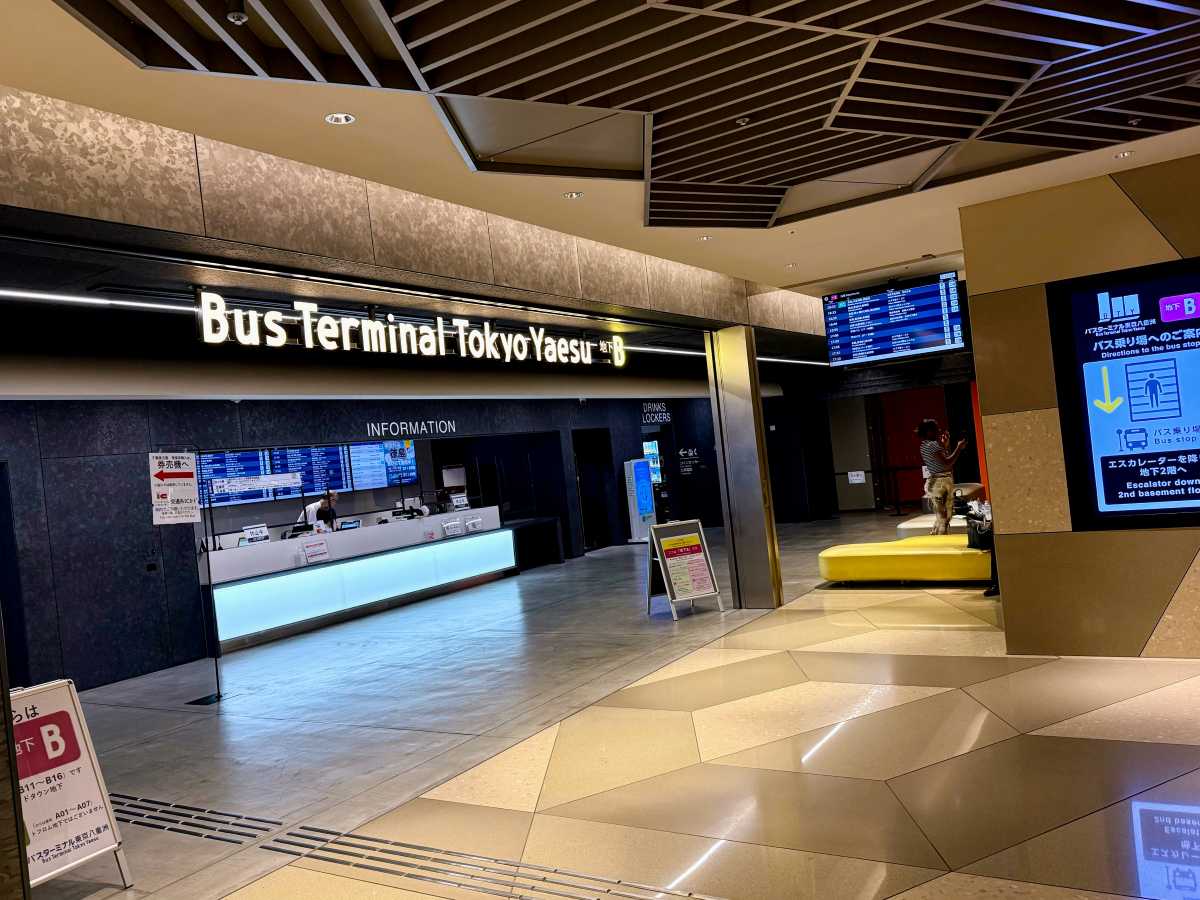
Travelers arriving or departing by highway bus will usually be on the Yaesu side, where it makes sense to look for storage close to the bus area rather than crossing the whole station. The Yaesu side connects to the highway bus terminal (Bus Terminal Tokyo Yaesu) and to a large underground shopping area, and locker areas may be available within or near these spaces. This side is also where Tokyo Midtown Yaesu and many shops and restaurants sit, so it can be a convenient base before or after a long bus ride. If you have just stepped off an overnight bus, storing your bags here first makes it much easier to find a café, freshen up, or rest before moving on. Because the layout spans the terminal, the underground passages, and nearby buildings, check whether a particular storage point is inside the bus terminal itself, in the underground area, or in a separate facility, and confirm its opening hours. As elsewhere in the station, availability changes through the day, so keep a backup such as a staffed counter or storage app in mind during busy periods.
What if all lockers are full?
On busy days it is entirely normal to find a whole bank of lockers full, so the key is to switch to a backup quickly rather than circling the same spot. First, try a different locker area: Tokyo Station has many banks, and quieter ones tend to sit away from the busiest central concourse, so check a station map for the nearest alternative. Moving between the Yaesu and Marunouchi sides, or between the ground level and the basement floors, often turns up space. If you hold a valid ticket, lockers inside the gates may be worth a look, but remember you cannot re-enter after exiting without one. When lockers simply are not available, switch to a staffed storage counter, your hotel, or an app-based partner shop instead of spending more time searching. It can also help to store your bags near your destination for the day rather than at the station. Checking any available locker-availability information, or a storage app, before you start walking can save a lot of effort. Above all, give yourself a time limit: if you have not found a locker in a few minutes, move to a backup option so the search does not eat into your day.
Important tips for luggage storage at Tokyo Station
- Check whether the locker or service is inside or outside the ticket gates.
- Large suitcases may not fit in smaller lockers.
- Locker availability changes throughout the day.
- Busy weekends, holidays, and travel seasons can make storage harder to find.
- Staffed storage may have pickup deadlines.
- Some services may require cashless payment, ID, membership, or reservation.
- Do not leave valuables, passports, or important documents in stored luggage.
- Check the latest official information before using a service.
Simple travel flows
Put luggage storage first
A few common routines that store luggage first, so the rest of your time is easier.
Route A
Before hotel check-in
- Arrive at Tokyo Station
- Store luggage
- Café or shower
- Sightseeing
- Hotel check-in
Route B
After hotel check-out
- Check out
- Ask the hotel to hold bags, or store luggage near Tokyo Station
- Lunch or shopping
- Pick up luggage
- Shinkansen or airport transfer
Route C
Night bus arrival
- Arrive near the Yaesu side
- Store luggage if needed
- Shower or café
- Move to your hotel or start sightseeing
Route D
Shinkansen waiting time
- Store small luggage if needed
- Stay near your route
- Check your platform and ticket gate
- Pick up your luggage early so you are not rushed
Hands free, next stop
Start by storing your luggage, then choose how to spend your time
Around Tokyo Station, storing your luggage is often the first step. Once your hands are free, it is far easier to rest, take a shower, eat, shop, charge your phone, or catch your train without dragging a suitcase through the crowds. Coin lockers are the quickest option when one is available, but on busy days the larger sizes fill up, so it is worth knowing your backups before you need them.
If the lockers near you are full, move to a staffed counter, your hotel, or an app-based storage service rather than walking the station for too long. And because hours, fees, and availability change, check the latest official information before you rely on any single option.
Next steps
管理人の現地確認メモ Notes from the site owner
「公式サイトにはこうあるけど、実際は?」を確認します Checking how things really look on the ground
東京駅周辺の休憩場所・設備・移動導線について、現地で分かりにくい点があれば、 管理人が可能な範囲で確認します。費用は不要です。役に立った場合のみ、任意で応援いただけるとうれしいです。
If anything about rest spots, facilities, or walking routes around Tokyo Station is unclear from official sources, I'll check it on-site when I can. There's no charge — if it helps, an optional show of support is always appreciated.
現地確認を相談する Ask about an on-site check※確認日時点の状況です。公式情報・現地表示もあわせてご確認ください。 Information reflects the date checked. Please also confirm with official sources and on-site signage.